Your pile decides the project: a few long planks suit a hook rack or a plant stand, while a bin of small offcuts goes further in geometric wall art or a tribal mask built from mismatched pieces.
Projects range from a minimalist wood cutout that needs only a saw and some patience to a guitar-shaped wine holder, and most of them get by on wood glue, clamps and sandpaper.
Sort the scraps by length and shape first, and the right project usually picks itself.
1. Geometric Scrap Wood Wall Art
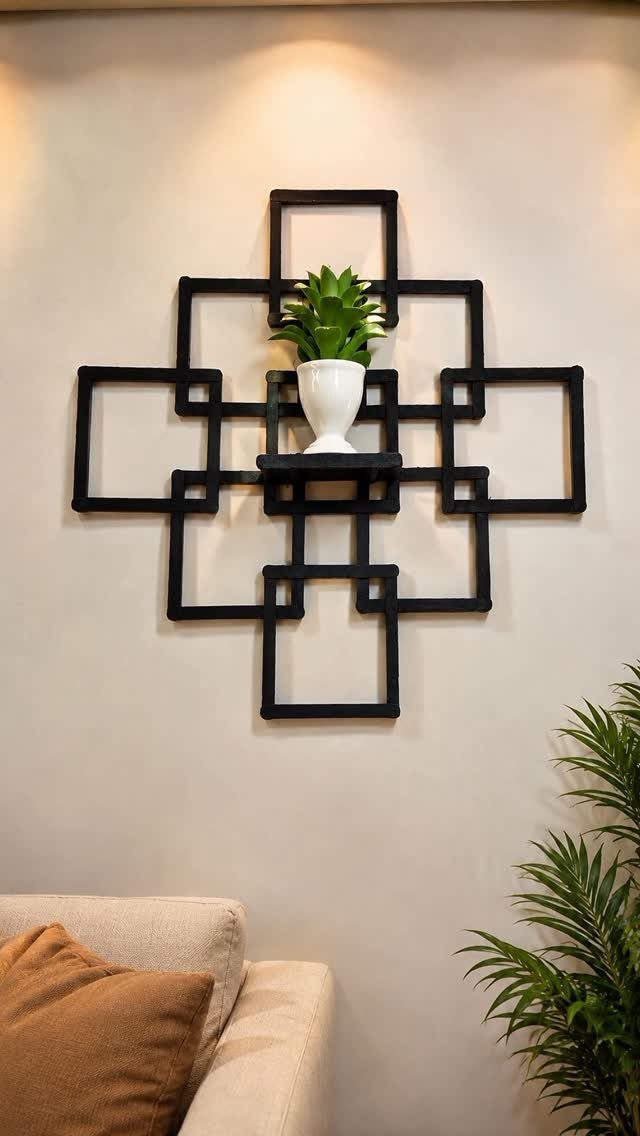
A coat of black paint or stain makes a few angular scraps read as one deliberate piece, and it hides the mismatched grain and color between boards.
A small pot sits on the ledge, so the art does a job instead of only hanging there.
Keep the plant light, since a shelf built from offcuts is no place for a heavy ceramic planter. Paint the whole thing in a single color so mismatched scraps look intentional.
2. Rustic Wood Hook Rack
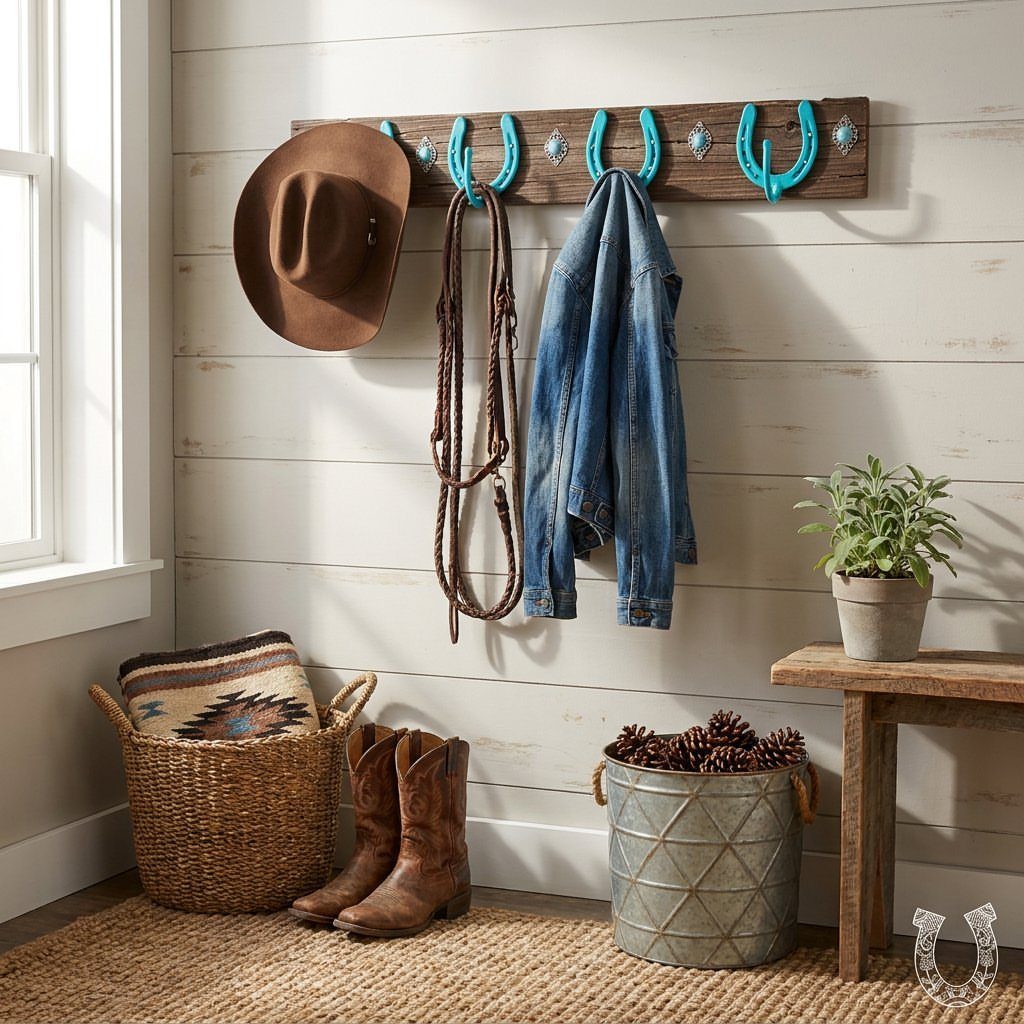
A single rough plank is enough for the backer. Space the hooks evenly, and fasten the board to the wall instead of trusting the hooks alone with outerwear.
Paint is the cheap upgrade here. One bright color against raw wood and white shiplap does most of the work.
3. Scrap Wood Plant Stand
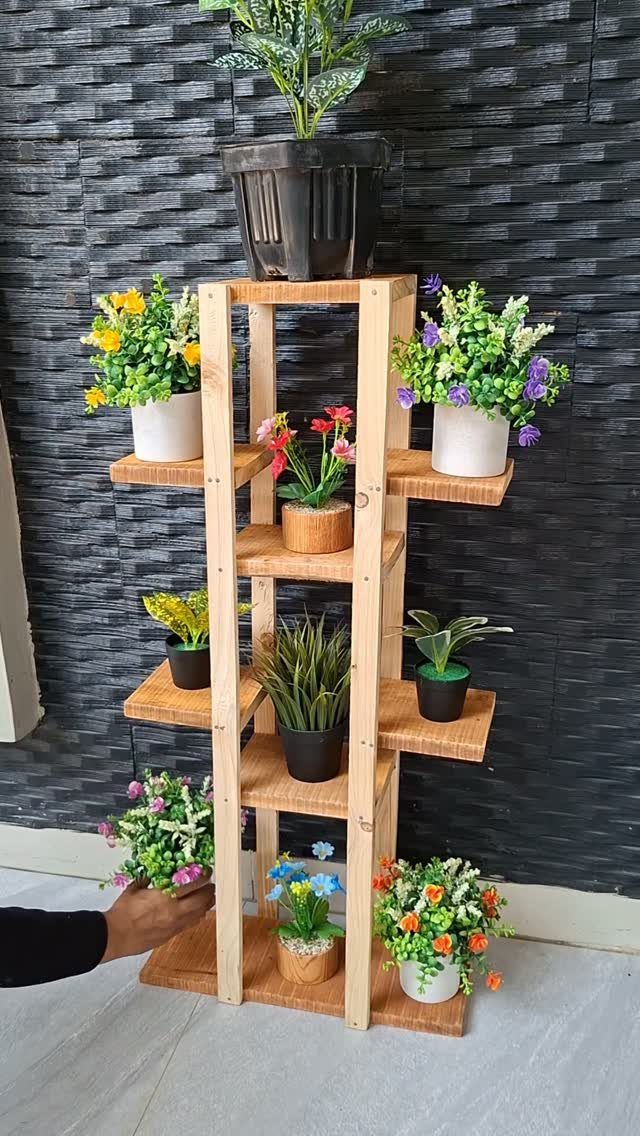
Tiered stands let a handful of small pots share one footprint, and scrap boards cut to different lengths are all it takes to build one.
Shorter shelves up front and taller ones behind keep every plant in view, so nothing hides behind a bigger neighbor.
Seal the wood before you set pots on it, because watering will leave marks on bare boards.
4. Guitar-Shaped Wine Holder
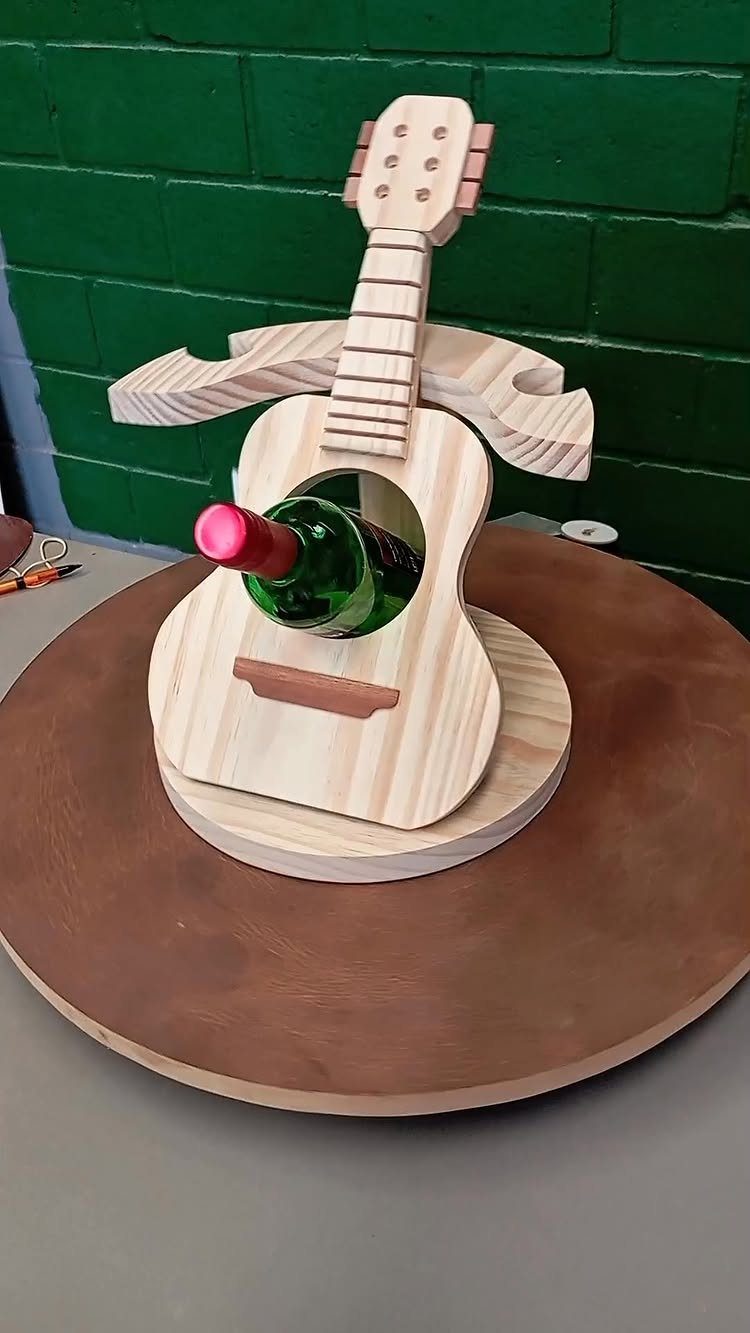
A guitar silhouette holding a bottle on a round base is the kind of thing guests ask about before they ask for a glass.
Trace a guitar outline onto your widest scrap, cut it out, then notch or drill the body so the neck of a bottle sits snug. The circular base keeps it from tipping, so make it wide and flat.
A green bottle looks great against the wood. Sand every edge well, since hands will brush the curves constantly.
5. Hanging Family Name Plaque

Names turn a pile of offcuts into a gift. A plaque like this one pairs a welcome line with a pair of first names, and a small birdhouse and birds keep it playful.
Cut each shape from separate scraps, paint them in soft, cheerful colors, and mount them right on the face of the main board so the birdhouse, birds, and lettering all sit together on the plaque.
Pencil the lettering first. Paint goes on once, so spacing mistakes are hard to hide.
6. Scrap Wood Lanterns
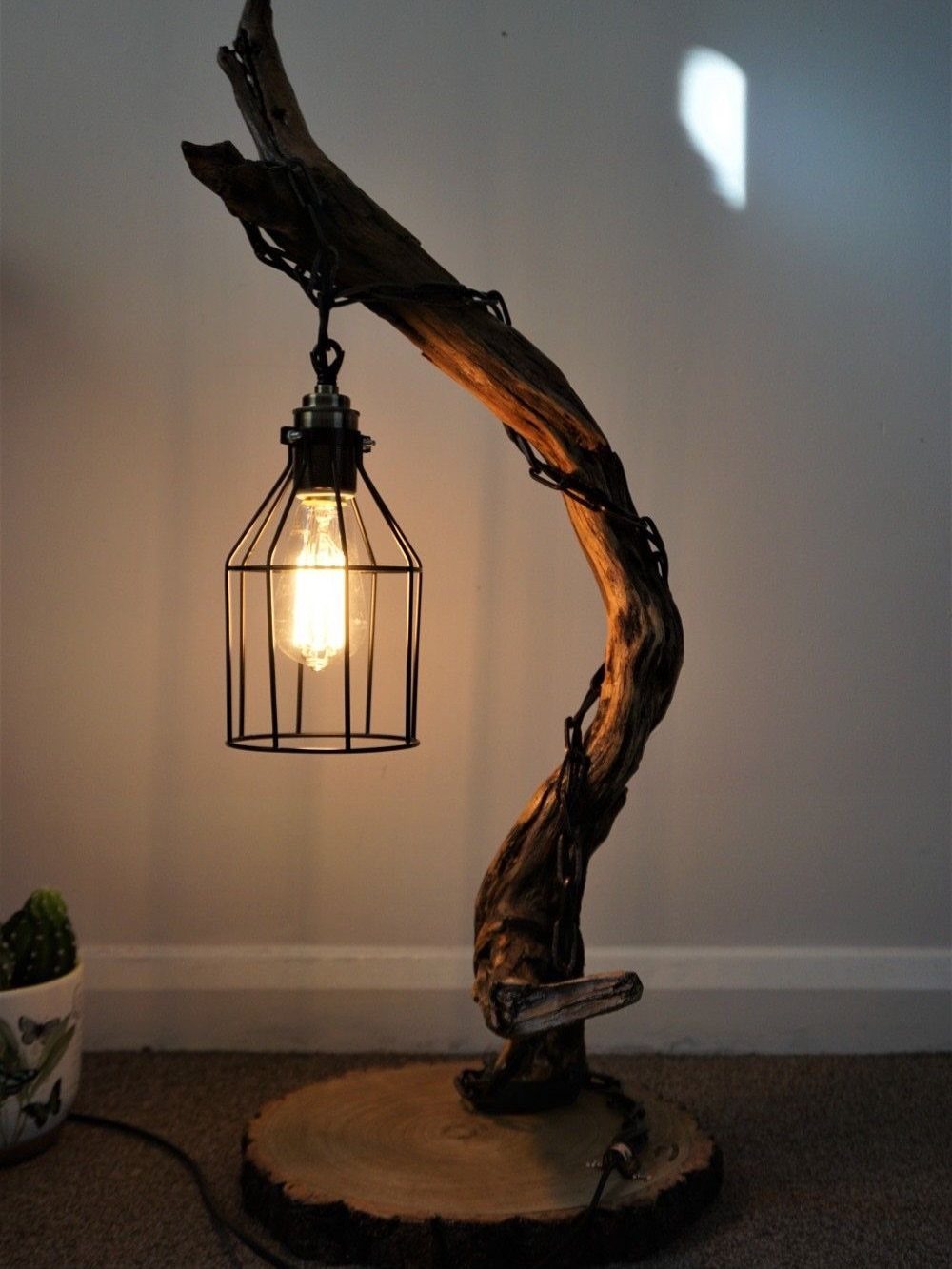
A curved piece of driftwood already looks like a lamp arm, which is why this design needs so little cutting. Hang a bulb in a wire cage from the end and the wood does the rest.
A wood slice makes a good base, and I would pick a thick one so the arm stays steady. Sand only where hands touch, and leave the weathered surface alone.
Cords and sockets are electrical work, so buy a ready-made lamp kit instead of wiring from scratch.
7. DIY Scrap Wood Christmas Trees
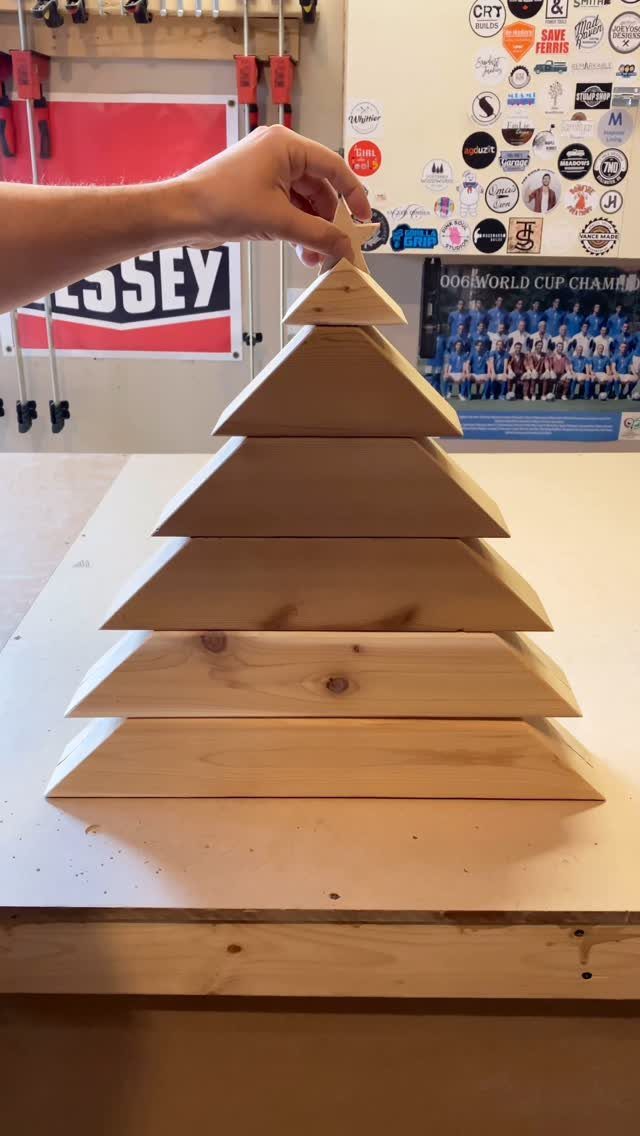
Stacked planks cut in descending lengths give a tiered tree that stands on a shelf or mantel.
Sort your scraps by length first, then glue them from longest at the bottom to shortest at the top, centered so the sides slope evenly.
A star on top finishes the silhouette. Leave the wood raw if the grain is interesting, or brush on white paint for a snowier look.
Make several in different heights and group them together.
8. Scrap Wood Animal Wall Art
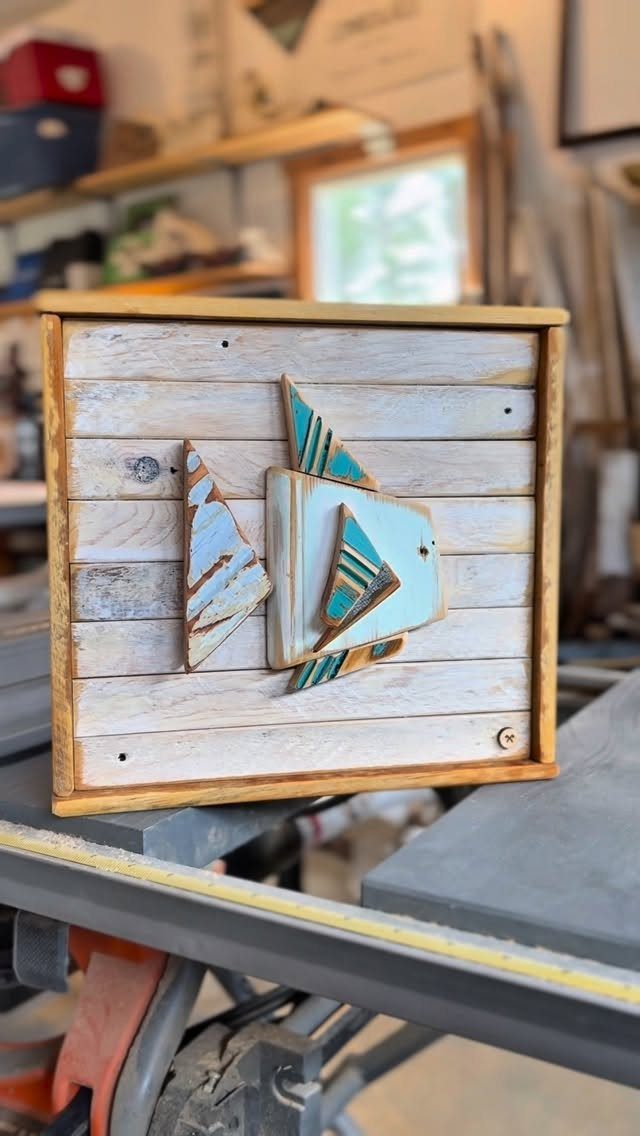
Cutting a fish from small geometric pieces suits scrap bins, since every offcut can become a scale or a fin. Lay the shapes out on the plank background and shuffle them before any glue goes down.
Paint the pieces in a few colors that stand apart from the light backing. A frame around the finished fish keeps the edges tidy and makes it feel like real art.
Sand the cut edges lightly so the paint sits cleanly.
9. Wood Scraps Tribal Mask
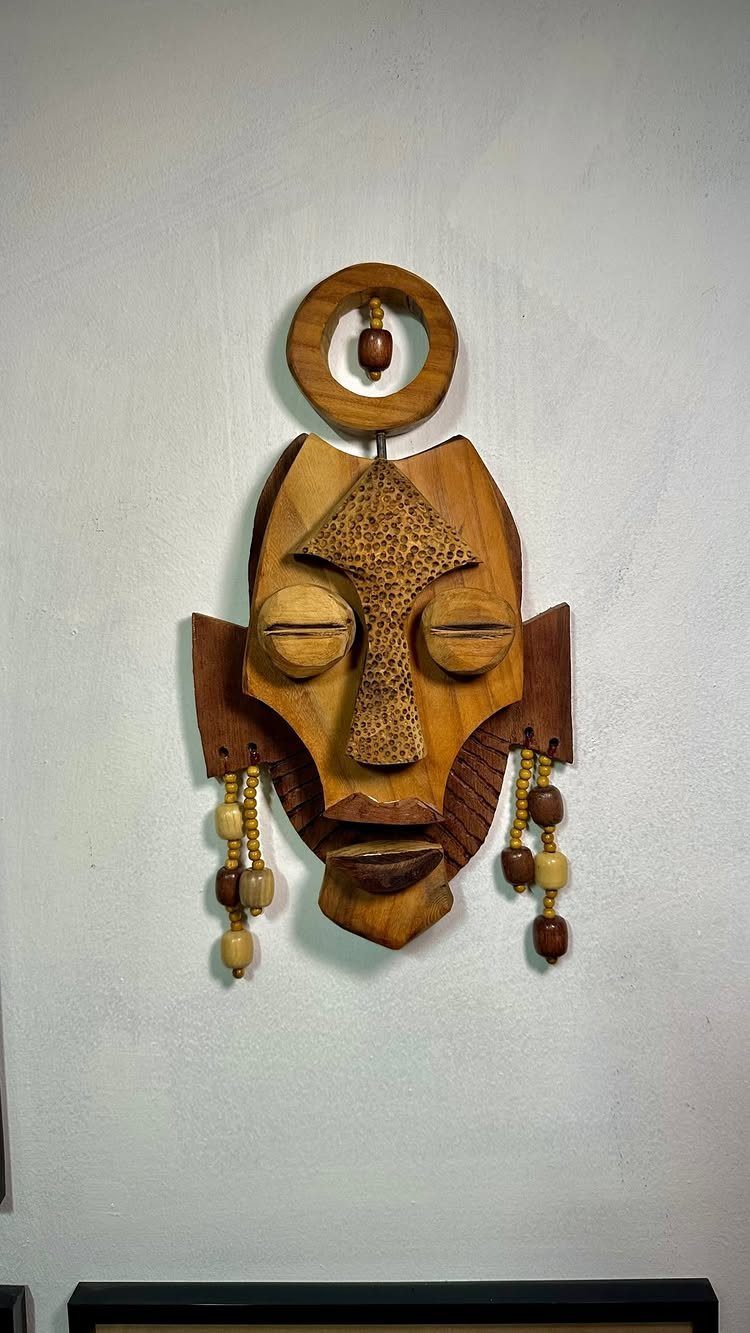
Small, odd-shaped scraps work well for a mask, because the mismatch is part of the look. Choose one long piece as the face and glue the other pieces on for brows, nose and cheeks.
Beads add detail without any carving, and a ring at the top gives you a spot to hang it from a nail. Keep the colors earthy so the wood stays the focus.
Test the layout flat on a table before gluing anything.
10. Twig and Wood Sailboat Art
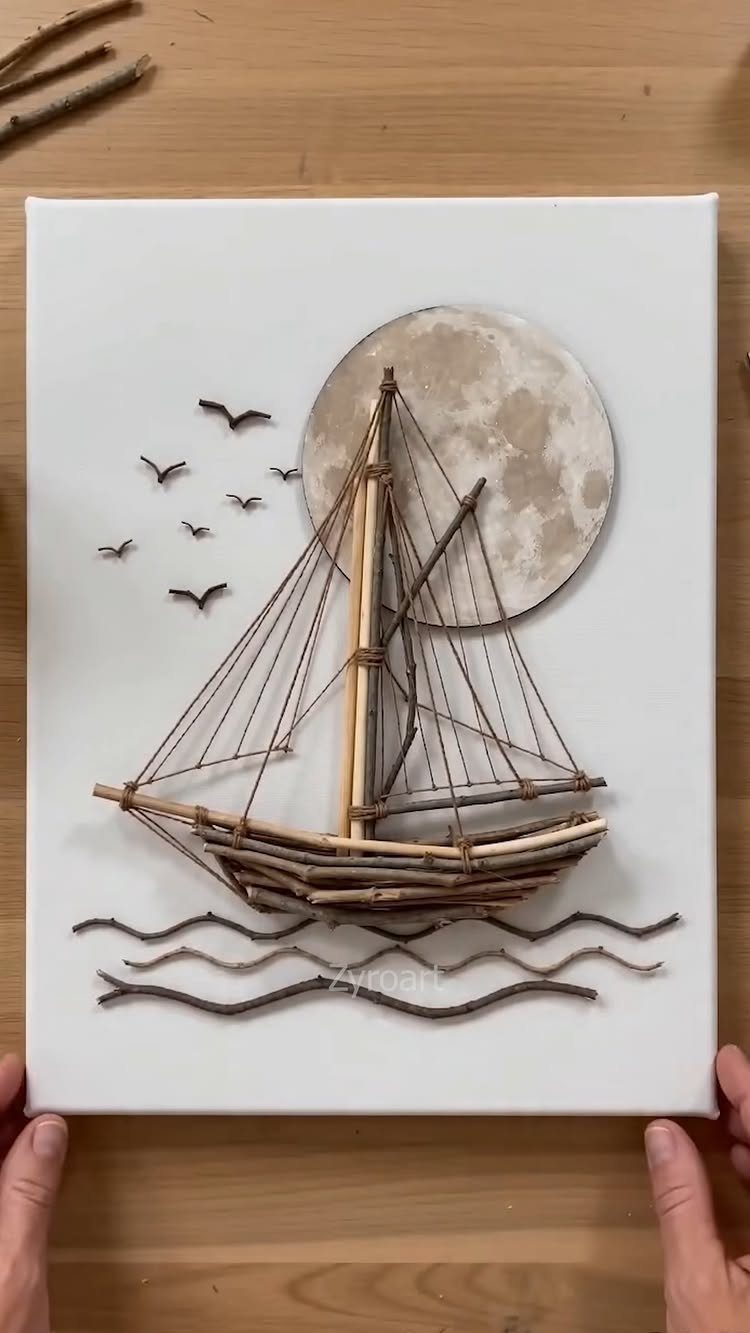
Twigs and string make a sailboat with real depth, and a painted canvas gives it a night sky for almost no money.
Paint the moon and let it dry, then glue twigs down as the hull and mast, with string for the rigging.
Run a few wavy lines of thin twigs under the hull, and they read as water without any paint. Snip twigs with pruners so the ends stay clean.
I would paint the background before gluing, since brushing around raised twigs is slow and messy.
11. Framed Botanical Wood Art
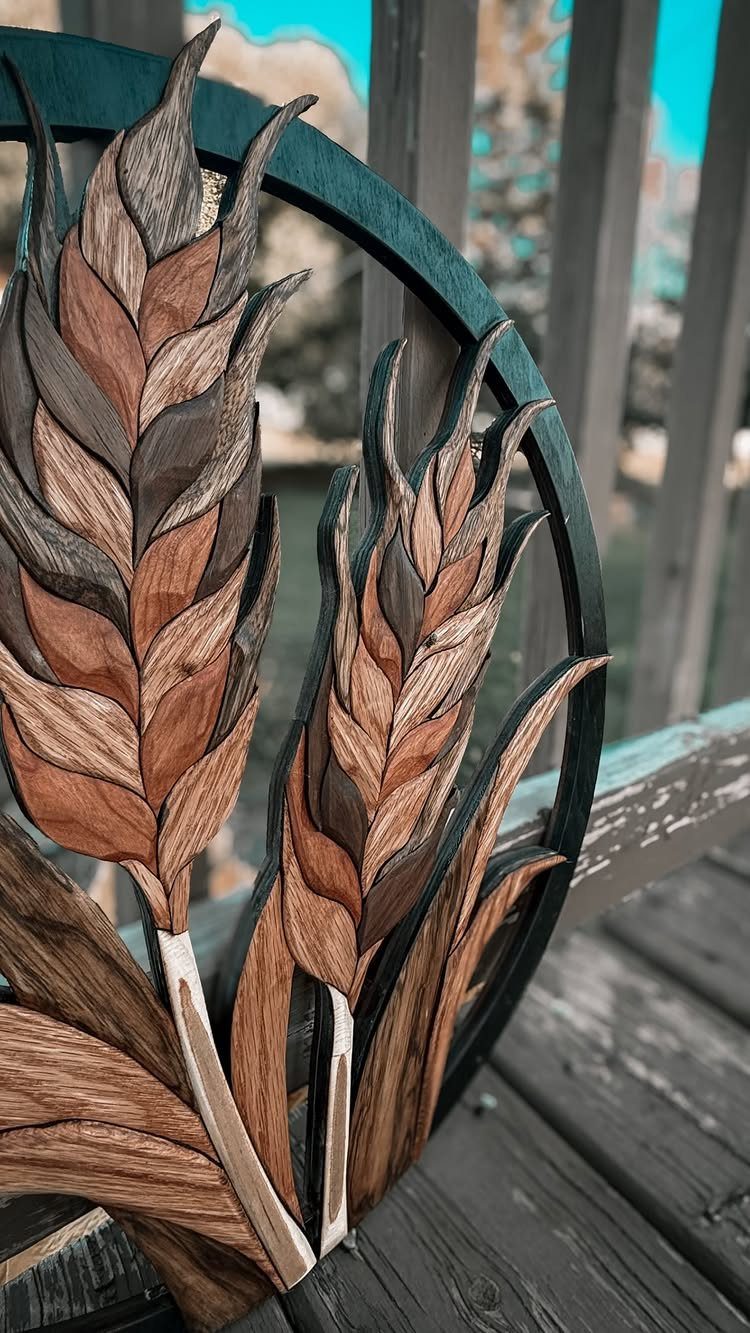
Wheat stalks built from layered wood scraps look best when the browns and tans vary from piece to piece. Cut slim grain shapes, then stack and glue them so the shades overlap along each stalk.
A dark circular frame gives the pale wood strong contrast. Keep the stalks fairly sparse, because crowding them blurs the layered detail.
Stain a few scraps darker if your pile is too uniform.
12. Minimalist Wood Cutout Art
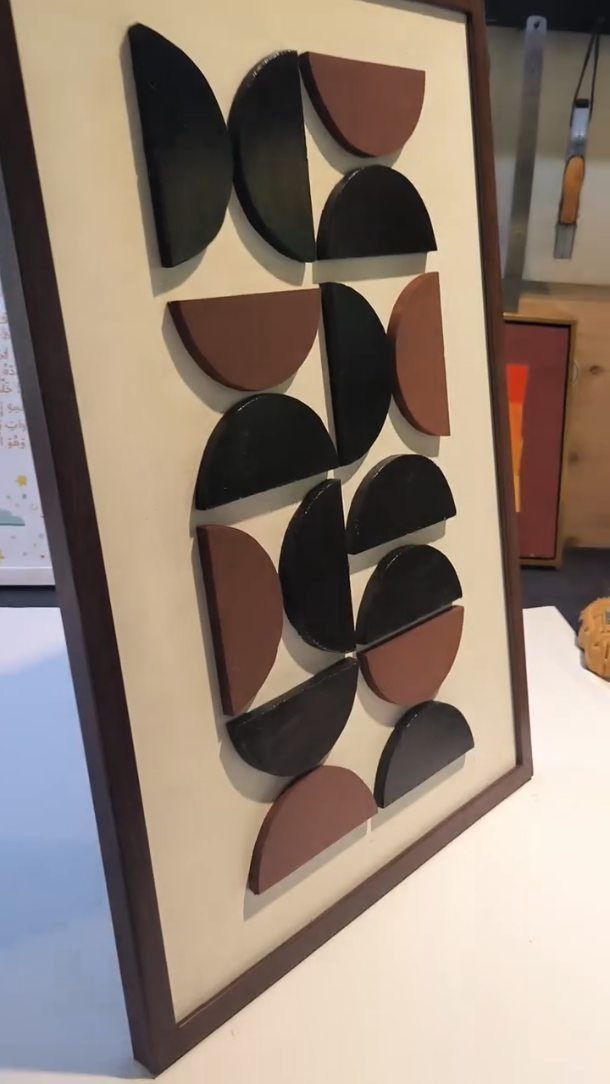
Semi-circles in brown and black, set on a light background, make abstract art that needs only a saw and a little patience. Cut the shapes from thin scraps, then try different arrangements before committing to one.
Leave generous space between pieces. Minimalist work depends on the empty areas as much as the wood.
Frame it when you finish. A simple frame makes scrap wood look intentional.
Benefits of Scrap Wood Projects
Scrap wood costs little or nothing, so a mistake stings less and you can try a shape you would never risk on a full-priced board. That freedom is where most of my best ideas start.
Every offcut you use is one that stays out of the landfill. Wood that rots there adds to landfill emissions, and reusing it also means less demand for freshly cut lumber.
Scraps also give you a say in the look. Odd lengths, mismatched grain and leftover colors can’t be bought as a set, so each piece comes out different from the next.
Tools and Materials Needed
Start with a saw you trust for the cuts your pile calls for, wood glue, clamps and sandpaper. Those four handle most afternoon builds.
A power drill is the first optional tool I would add, and a pocket hole jig comes next if you want strong joints between boards. Both make small scraps behave like real lumber.
Buy secondhand if the budget is tight. A used tool that cuts square and holds an edge beats a new one that wanders, and accurate cuts keep you safer too.
Safety Precautions
Wear safety glasses and hearing protection whenever a power tool is running, and do it for scraps too. Small pieces kick back and fly more readily than long boards.
Clamp short offcuts instead of holding them with your fingers near the blade. Sand with a dust mask on, and keep the floor and bench clear of loose pieces and cords so nothing snags or trips you.
If a cut or method feels uncertain, stop and look up how experienced woodworkers do it before you start the saw.
Frequently Asked Questions
What are some DIY wood wall art ideas?
A geometric piece made from angular scraps painted one color is an easy start, since the single coat hides mismatched grain.
A fish assembled from small geometric offcuts on a plank backing works well too, as does minimalist art with brown and black semi-circles on a light background.
Scraps cost little, so you can shuffle layouts and test shapes before gluing anything down.
What is it called when you make art out of wood?
It’s usually called wood art or woodcraft.
When the material is leftover pieces, people often say scrap wood art or scrap wood crafts. The name matters less than the method: cut, arrange, glue, sand and finish.
Does Lowe’s have free wood scraps?
Some stores may give away scraps, but it varies by location, so ask your local store before making a trip.
If they have none, check your own garage and old projects first. Buying a used tool or asking friends who build can also turn up offcuts.
What is scrap wood?
Scrap wood is the leftover material from woodworking and building: offcuts, odd lengths and pieces too small for another full project.
Fallen branches, weathered driftwood, and offcuts from building or tearing out a room all count too. Every board I use up is one that skips the dump, and it means a little less new lumber gets cut.