The plan that fits is the one whose tool list matches your shelf, because these PDFs run from a tool tote and slatted shelves, which a circular saw and a drill can handle, up to a bookcase with more cuts, more joints and more lumber.
1. Outdoor Garden Furniture Plans PDF
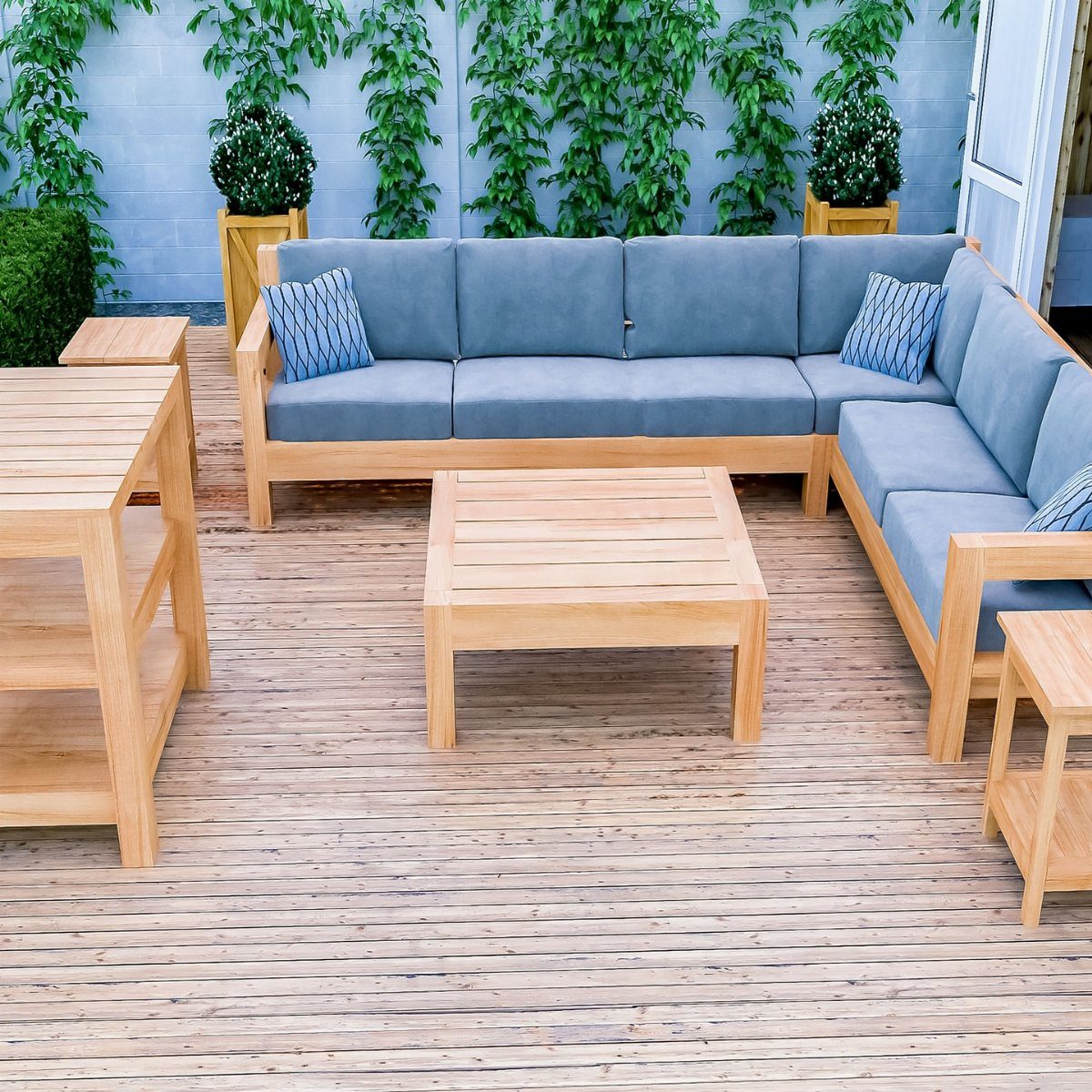
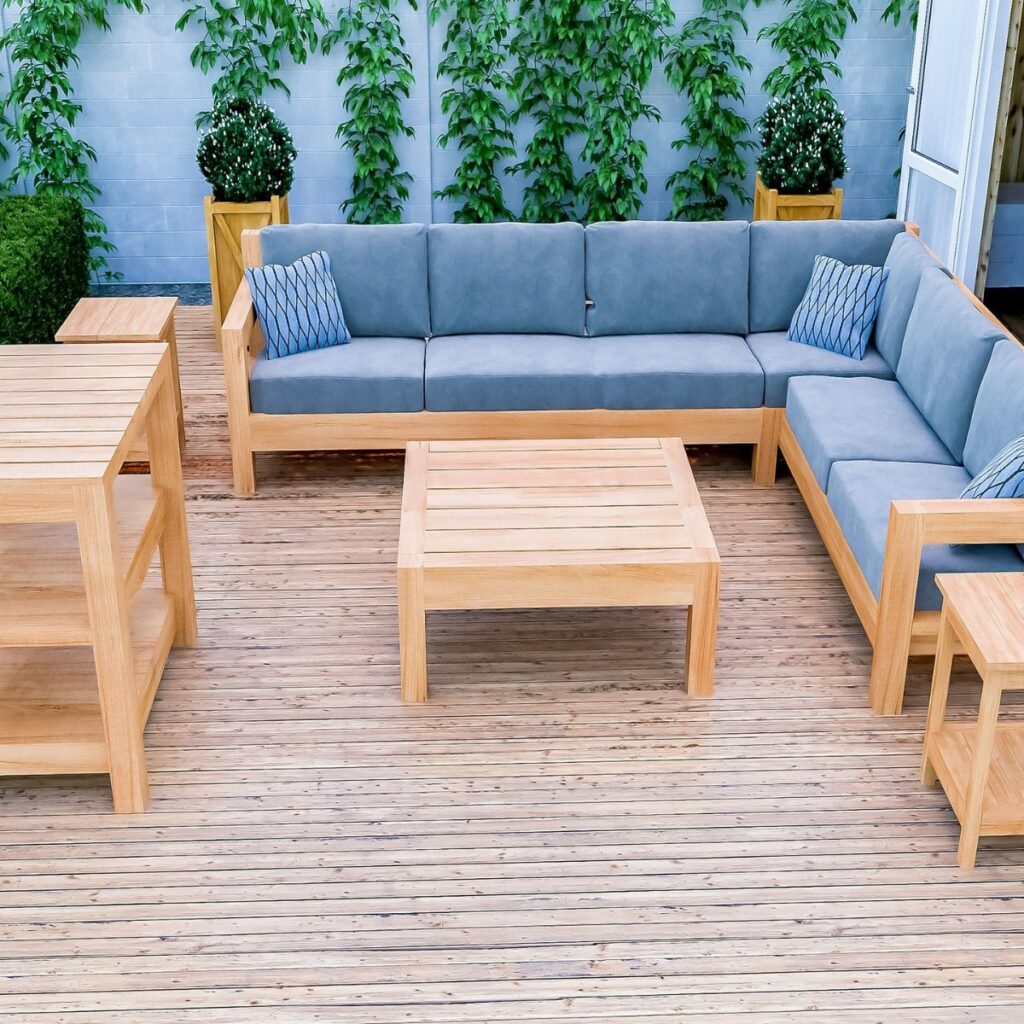
Outdoor plans are worth a separate search, because a good PDF for a deck sofa should spell out which lumber and fasteners belong outside.
A sectional like this one is mostly straight cuts and square frames, so a circular saw and a drill can carry it.
Pick a plan that lists a cut sheet and a shopping list. Cushions are the part most plans skip, so decide on them before you buy the lumber.
2. Custom Home Decor Shelves Plans PDF
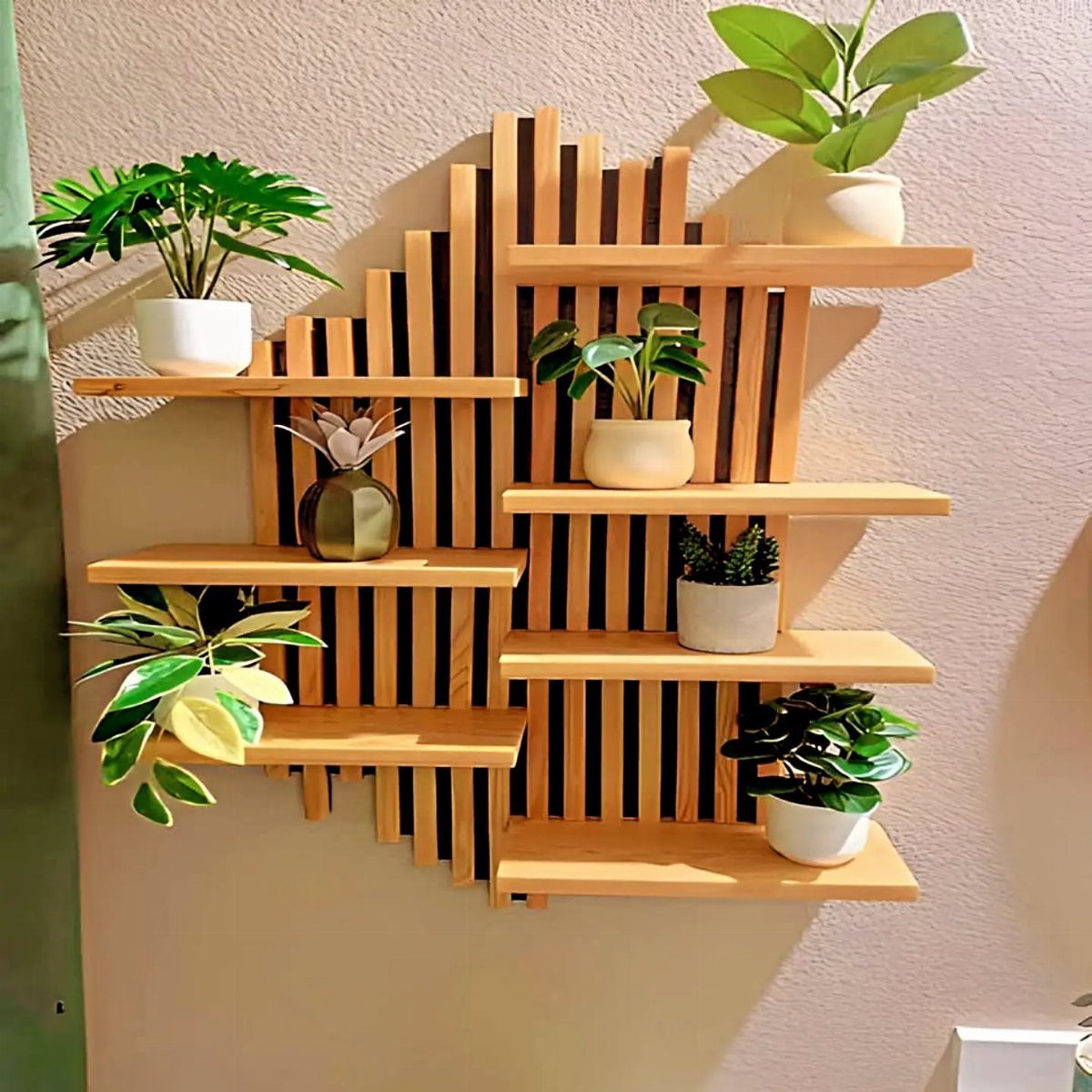
Shelves are the easiest custom decor piece to build in an afternoon, and a plan PDF saves you from guessing at spacing.
A slatted unit with horizontal shelves comes down to repeated cuts and very little joinery, so a stop block on the miter saw or a taped mark on the fence saves more time than any fancy joint.
Measure your wall first, then pick a plan you can resize. Small pots need shallow shelves, so I’d skip any plan with deep boards unless you want the extra room.
3. Storage Benches Plans PDF
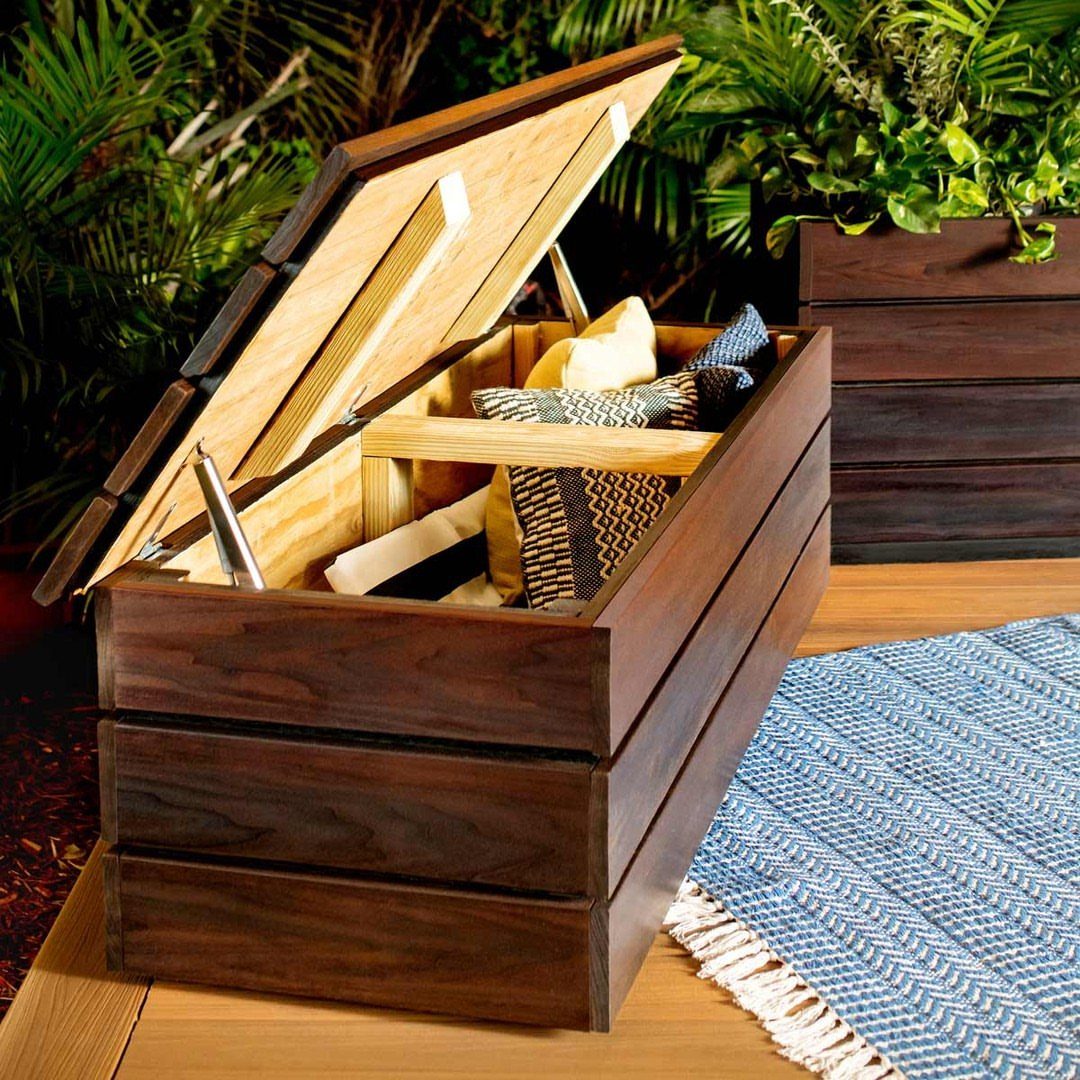
A storage bench earns its space twice: it seats people and swallows pillows, blankets or shoes behind a lid. The dark finish on this one also hides scuffs, which matters on a deck or in an entry.
Look for plans that show the lid hinge placement and the box dimensions. Staining is the last step, and I’d test the color on a scrap before committing to the whole piece.
4. Free Woodworking Plans
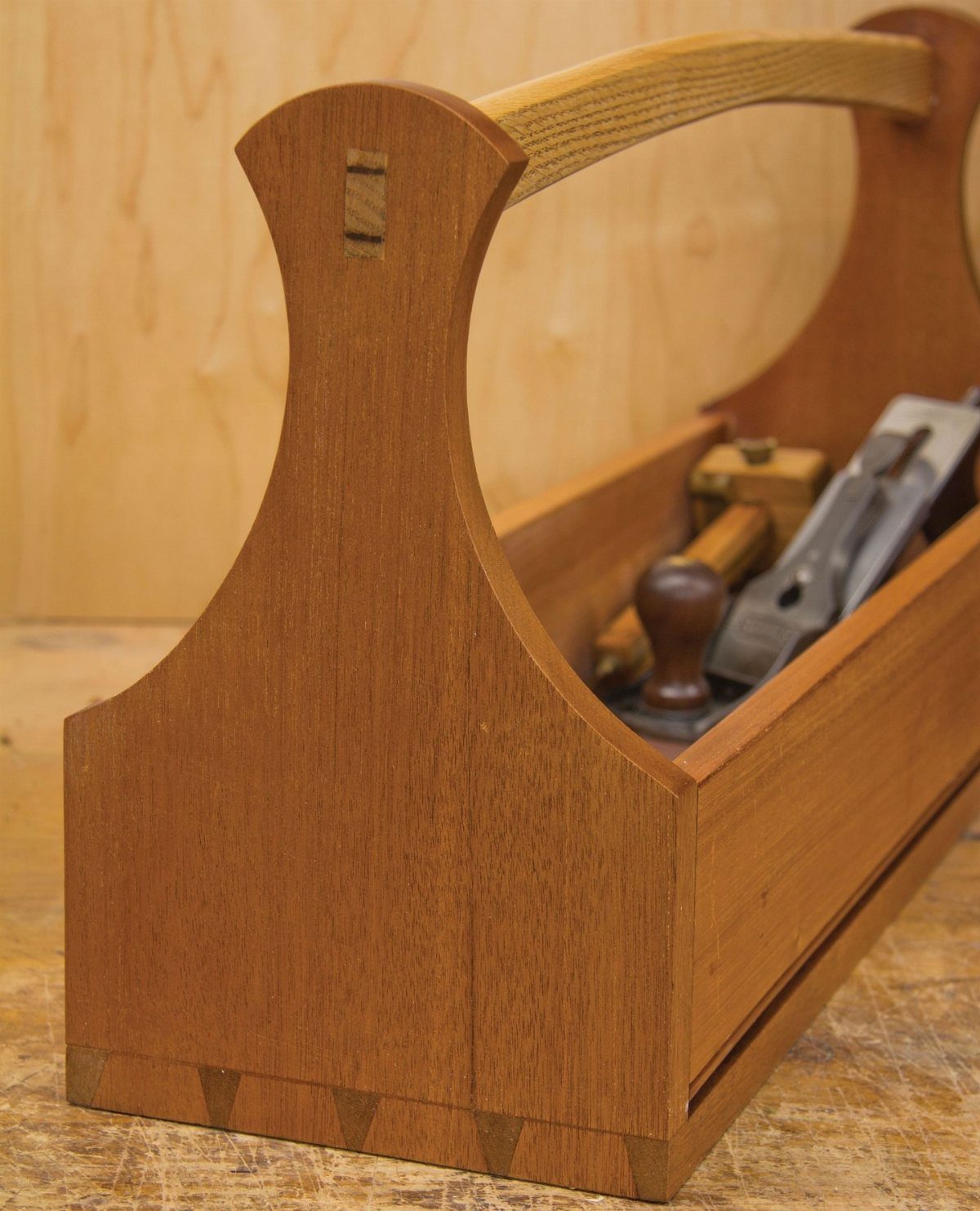
Free plans are the cheapest way to try a project, and a tool tote is a fine one to start with.
Free also means uneven. Check that a plan has a cut list and clear measurements before you buy any wood, and compare two plans for the same project if the first one feels vague.
5. Garage and Workshop Workbenches Plans PDF
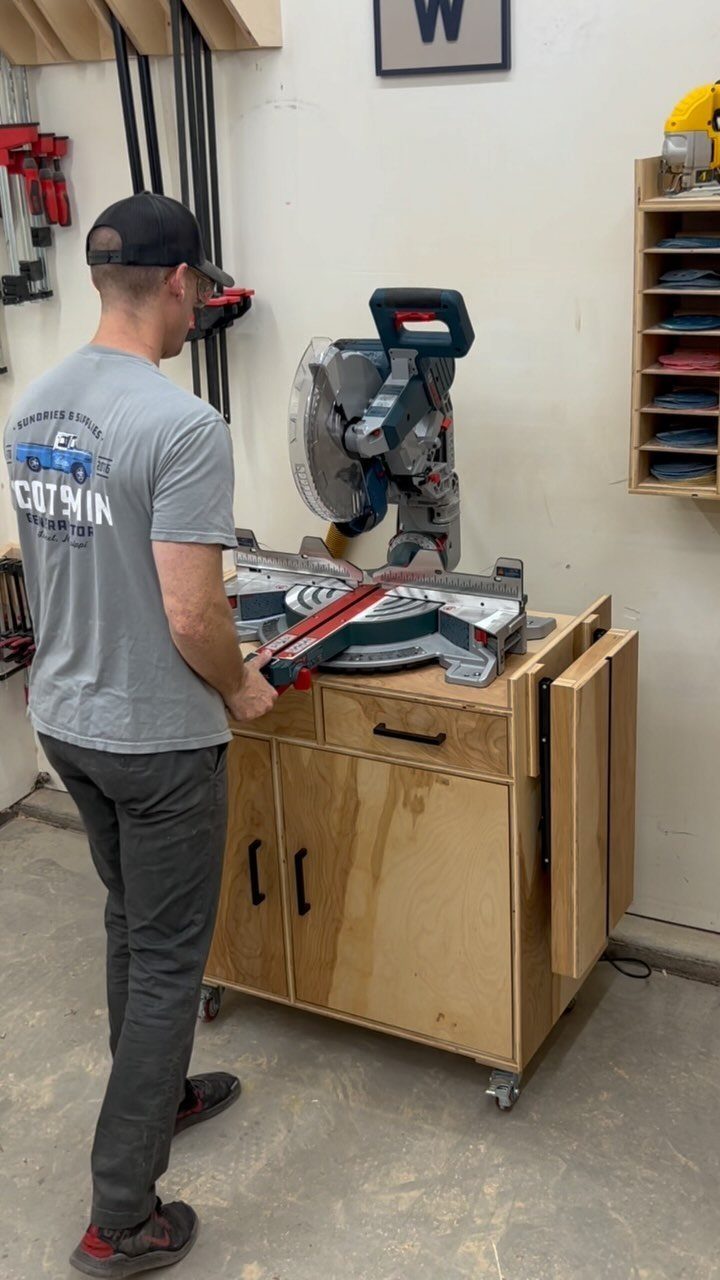
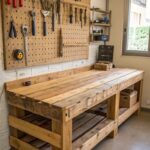
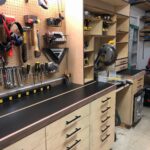
A mobile workbench solves the cramped garage: it rolls out for a miter saw and tucks back against the wall when the car needs the space. Plywood keeps the build affordable and simple.
Choose a plan with a flat, sturdy top and room beneath for storage. Wall space matters too, so leave some clear for hanging tools within reach of the bench.
6. Wooden Slat Pendant Lights

Slat pendants are small builds with a big effect: vertical strips of light wood form a cylinder, and the glow comes through the gaps. A group of three hung from a beam looks deliberate.
Cut every slat to the same length, since uneven strips show immediately. Use a proper light kit rather than improvising wiring, and keep the wood well clear of the bulb.
7. Craft Thread Storage Cabinet
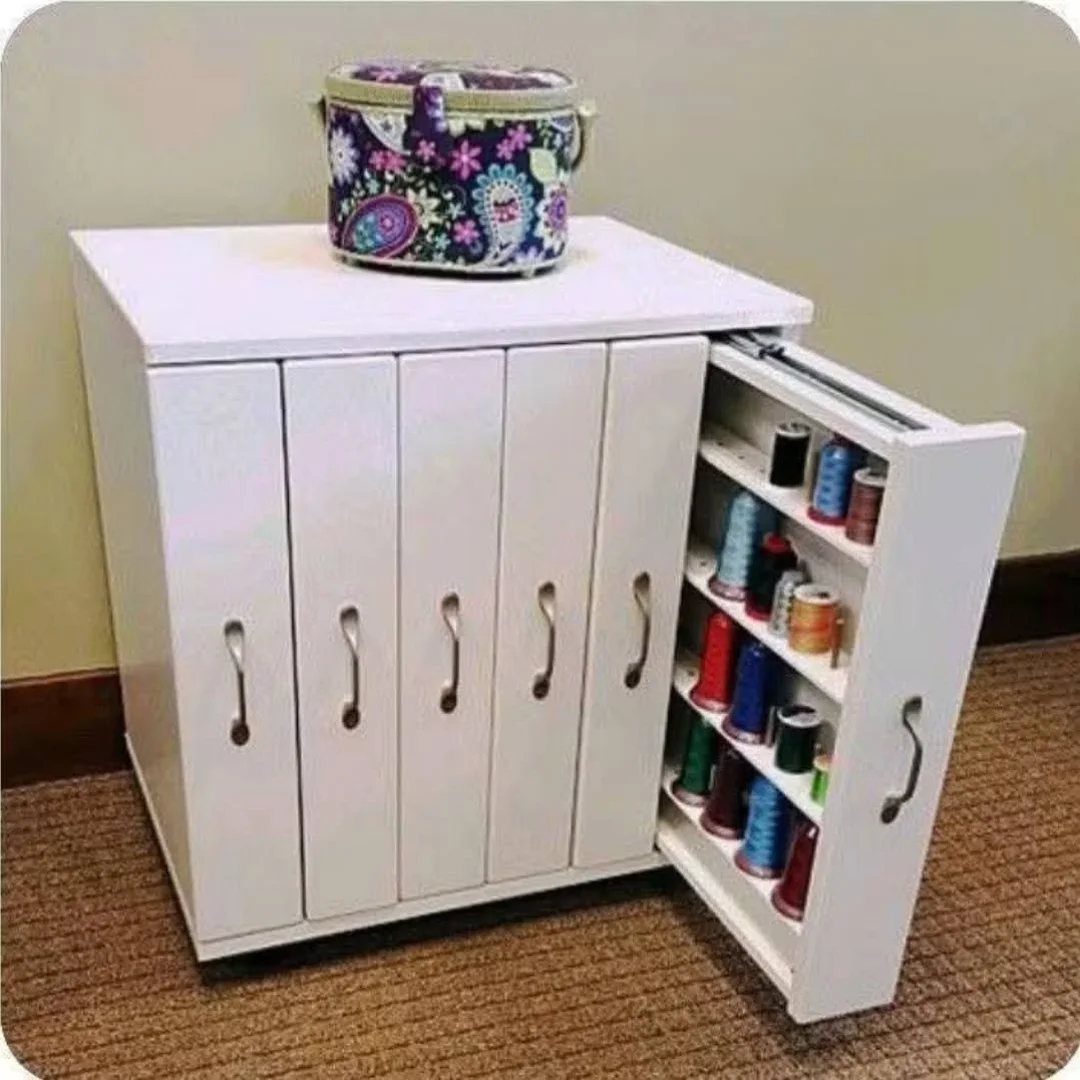
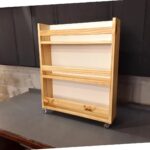
Thread lives in a tall, narrow cabinet better than it does in a drawer, because pull-out compartments let you see every spool at once. This white one has room on top for a fabric bin of extras.
Look for a plan that gives the inside width of each pull-out, and size it to your spools before you cut anything.
Painting is the last step, and I’d choose white again: it keeps the colors of the thread easy to read.
A tall cabinet needs to stand steady, so check that the plan’s base is wider than the pull-outs are heavy.
Beginner Tips
Minimal tools are enough for a first build, and a good beginner plan proves it by listing every tool up front. If a plan asks for a router table and a jointer on project one, pick a different plan.
Before I download any plan, I check for 2 things: numbered build steps and a full materials list with sizes and counts.
A plan with both lets you price the lumber and check your tool shelf before you leave the house.
Start with something small and square. One finished piece teaches you more about measuring, cutting and sanding than three half-built ones.
Email Signup for Plans
Many free plans arrive by email: you enter your address, then a download link lands in your inbox. Check your spam folder if it doesn’t show up in a few minutes.
Some sites ask for your address again with each plan, though the newsletter only reaches you once. A separate email address just for plans keeps your main inbox clear, and you can unsubscribe whenever the emails stop being useful.
Most plans are free, though the bigger, more detailed builds sometimes carry a small charge. I think that’s fair, since a plan that took someone a long time to draw and test is often worth paying for.
Project Complexity
Free plans cover everything from a simple cutting board to furniture with complicated joinery, so pick the one that fits the skills you have now, not the ones you hope to have.
Floating shelves and charging stations sit at the easy end; a bookcase is a bigger commitment.
A bookcase asks for more cuts, more joints and more lumber, and mistakes get costly. I’d build one or two small pieces first, then move up once square cuts and tight corners feel routine.
Read the whole plan before you buy anything. If more than a couple of steps are unfamiliar, save it for later.
Frequently Asked Questions
How much are the plans?
Free plans cover most builds, though a larger project with detailed drawings may cost a few dollars. Paying for a plan someone drew and test-built over many hours seems reasonable to me.
Can I request new plans?
Yes, at least some sites take requests. Charleston Crafted invites readers to email an idea for a project they’d like designed, or to ask for plans for something already built.
Their stated aim is complete plans for their most popular projects, so a specific request is worth sending.
What can I do with these plans?
Build from them for yourself, but keep the plans themselves off resale tables and out of copies you hand around.
You can build the projects and sell the finished pieces, at least on the site that spells this out. Check the terms on the site you download from, since policies can differ.