The jobs here run from a plunger and a pair of gloves to a pry-and-replace job on a toilet flange, and what sorts them is how much you already trust your hands and your paperwork.
A clogged drain or a loose cabinet hinge costs little if it goes wrong, so start there; anything that needs a license, like a sewer line or the live service panel, belongs to a pro.
1. Unclog a Toilet
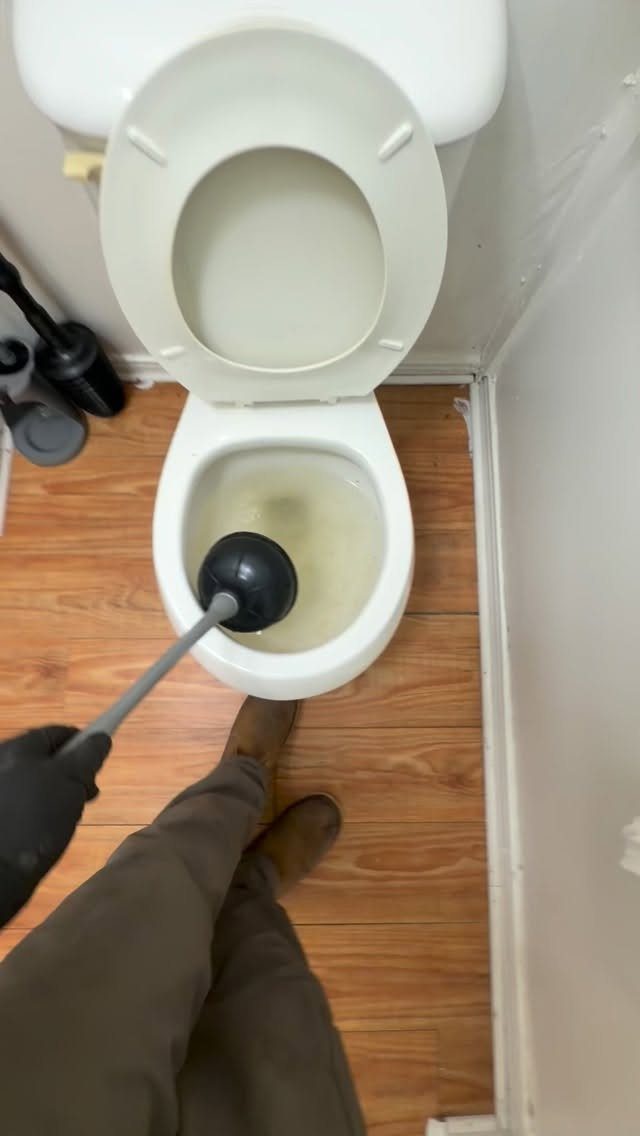
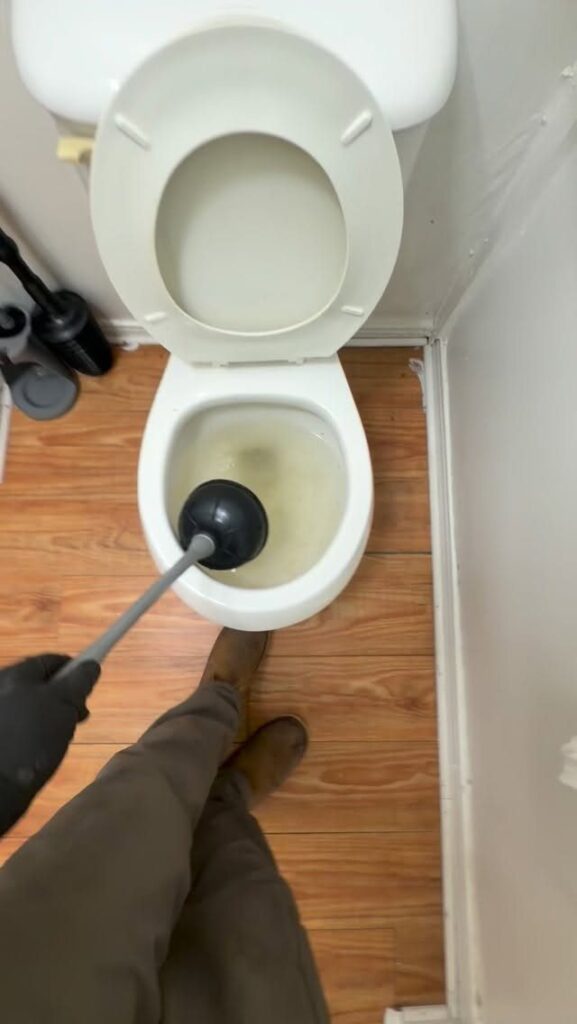
A flange plunger beats the flat cup kind for toilets. The soft rubber sleeve that folds out of the cup seats into the drain opening, so the push goes down the pipe instead of splashing back at you.
Gloves are smart, and I’d keep the bathroom floor clear.
Push slowly at first to seat the cup, then pump with steady strokes. If the water drains, you’re done.
2. Tightening Plumbing Pipe Fittings
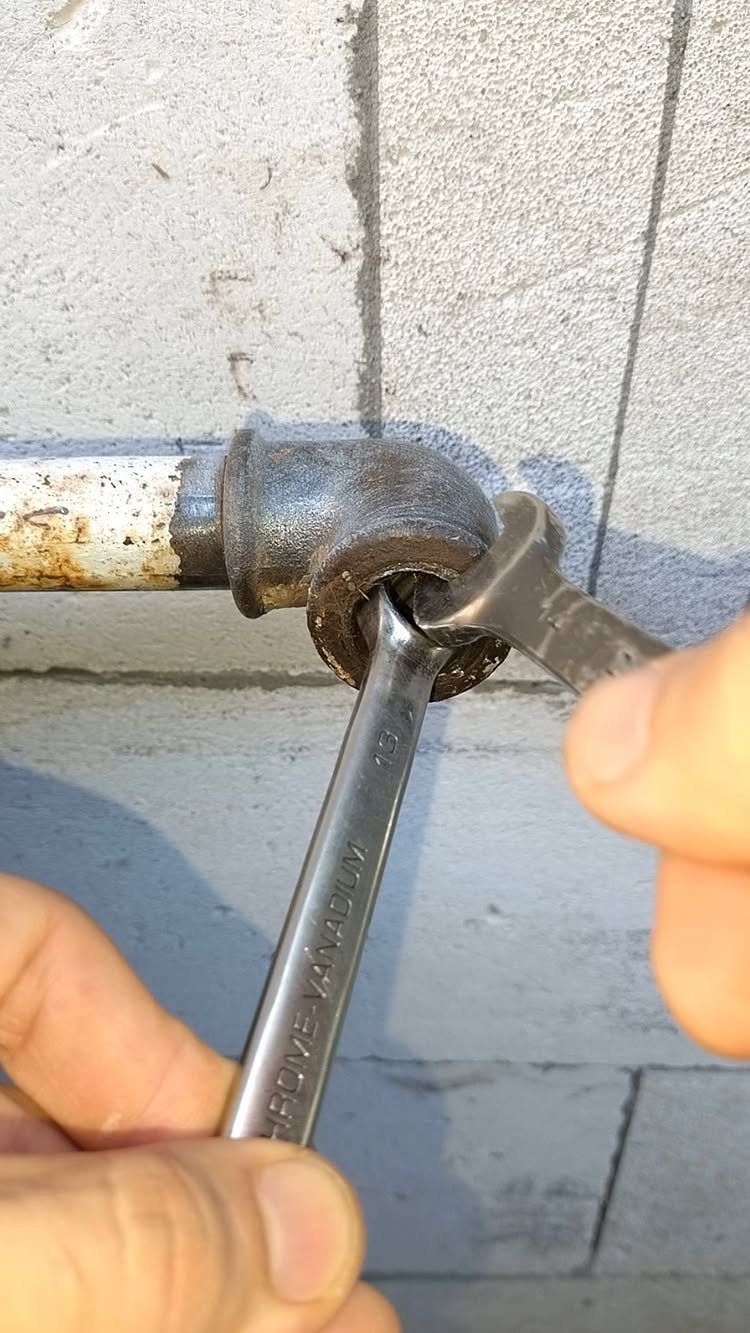
Old metal fittings fight back, and the fix is a second wrench. Hold the fitting steady with one tool while the other turns the connecting piece, so you aren’t twisting the whole pipe.
Rust is the real obstacle. A pipe wrench bites hard and can mar the finish, so I’d save it for old iron-looking joints and reach for a smooth-jawed wrench on anything you want to keep neat.
Turn in small, firm increments rather than one big heave.
3. Replacing a Kitchen Faucet
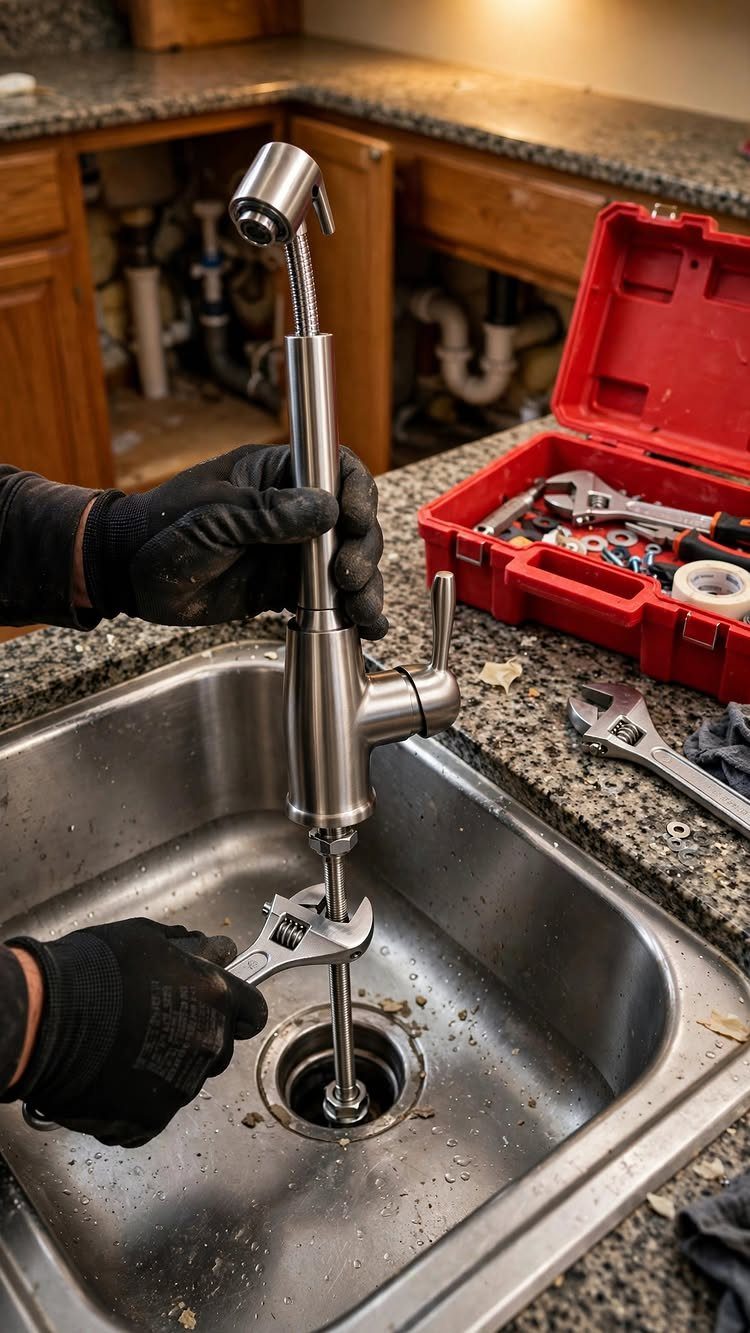
An adjustable wrench is enough tool for a basic faucet swap, which makes this one of the best money-saving repairs a renter or homeowner can take on.
Most of the work happens in the cramped space under the sink, so set a towel down and bring a light.
Clear the counter first, and keep your tools within reach so you aren’t hunting mid-job.
Stainless steel fixtures wipe clean easily, which I appreciate in a kitchen. Read the new faucet’s instructions before you start; models differ in how they mount.
4. Applying Weatherstripping to Windows
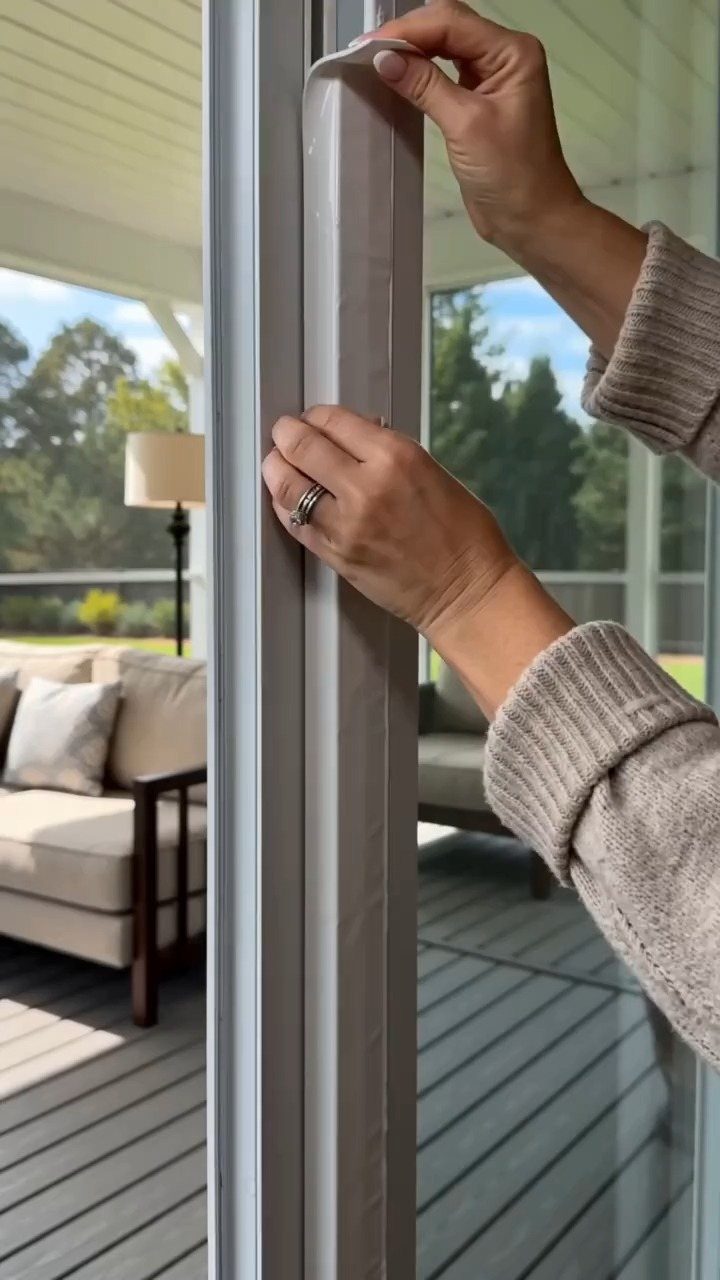
Adhesive-backed weatherstripping is about the easiest draft fix there is. Peel, press, and the gap along a frame closes up.
Clean the surface first, because dust is what makes adhesive let go. Measure the run, cut the strip to length, and press it along the frame as you peel the backing.
Sliding doors and windows both take it well, and I’d check the seal after closing to be sure it touches without blocking the track.
5. Adjusting Cabinet Hinges
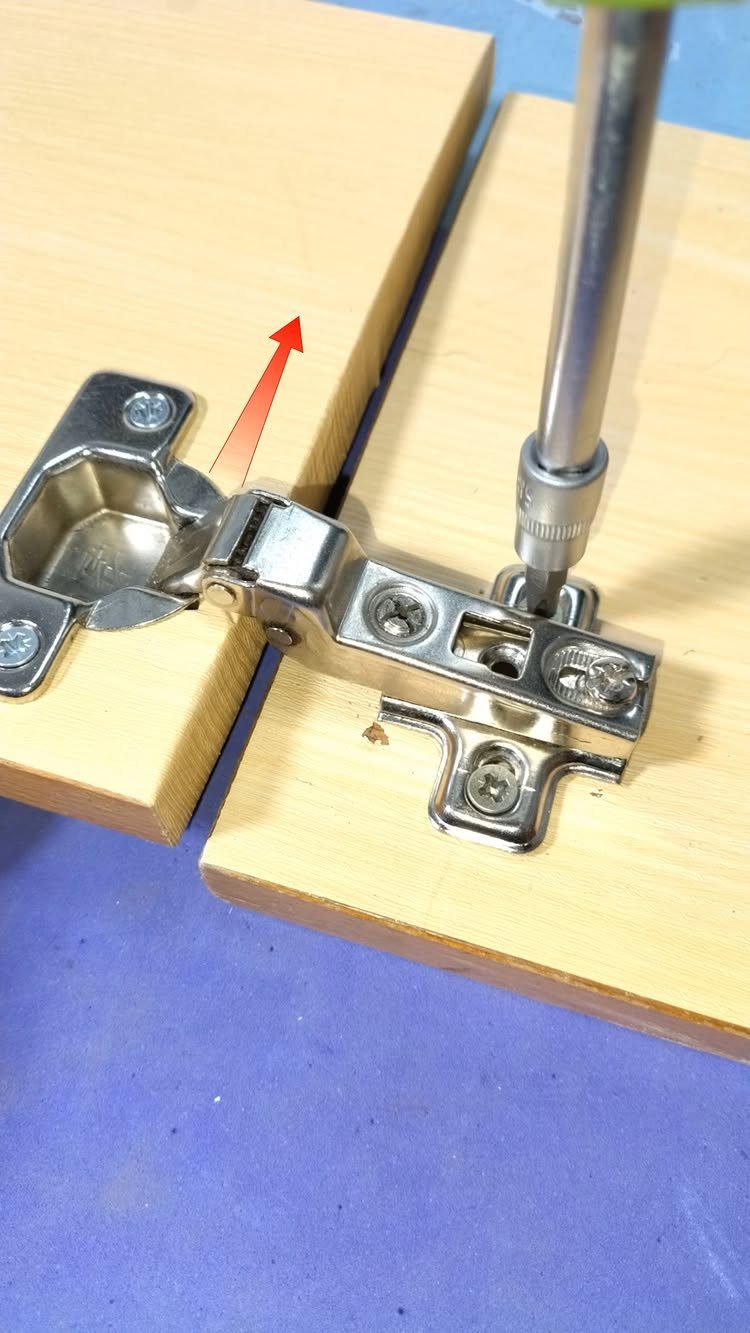
A door that hangs crooked or won’t sit flush often needs nothing more than a screwdriver. Hinges have screws that loosen with years of swinging, and snugging them up is the first thing I’d try.
Turn each screw until it feels firm, then stop.
Overtightening can strip the hole in the wood. If a screw just spins, that hole is worn out, and a different fix is needed.
6. Unclogging a Shower Drain
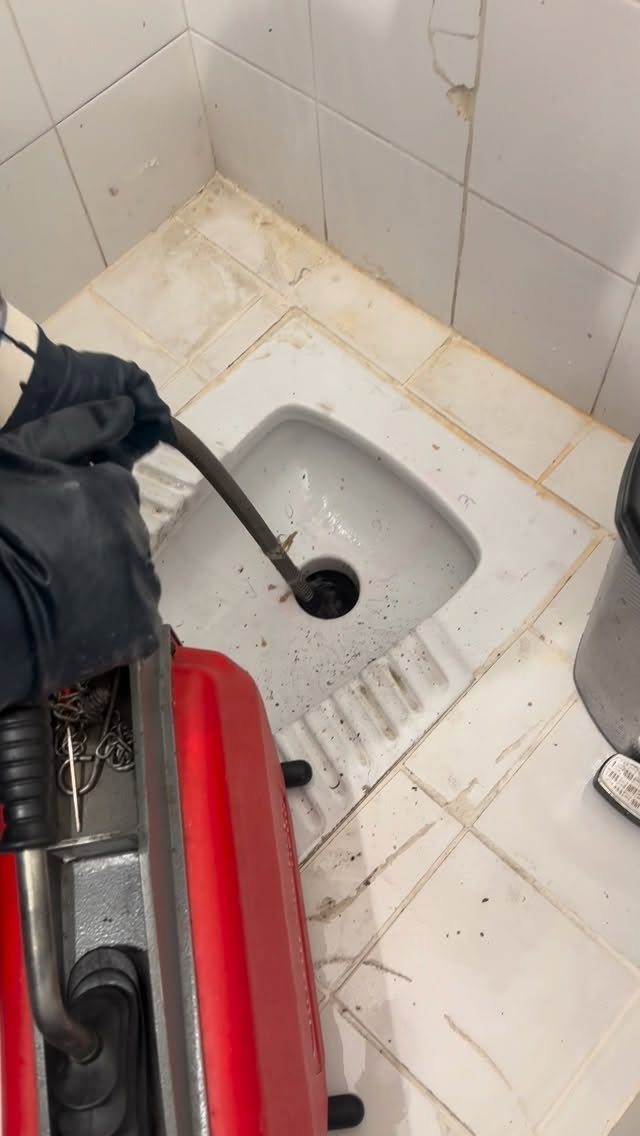
A wet-dry vacuum can pull a shower clog out without any chemicals. Set it to suck, seat the hose snugly over the drain opening, and run it for a few moments.
Wet debris is heavy, so I’d use gloves and keep a bucket nearby for the hose end.
This works best on hair and soap buildup close to the surface. A deeper clog may need a different approach.
7. Replacing a Toilet Flange
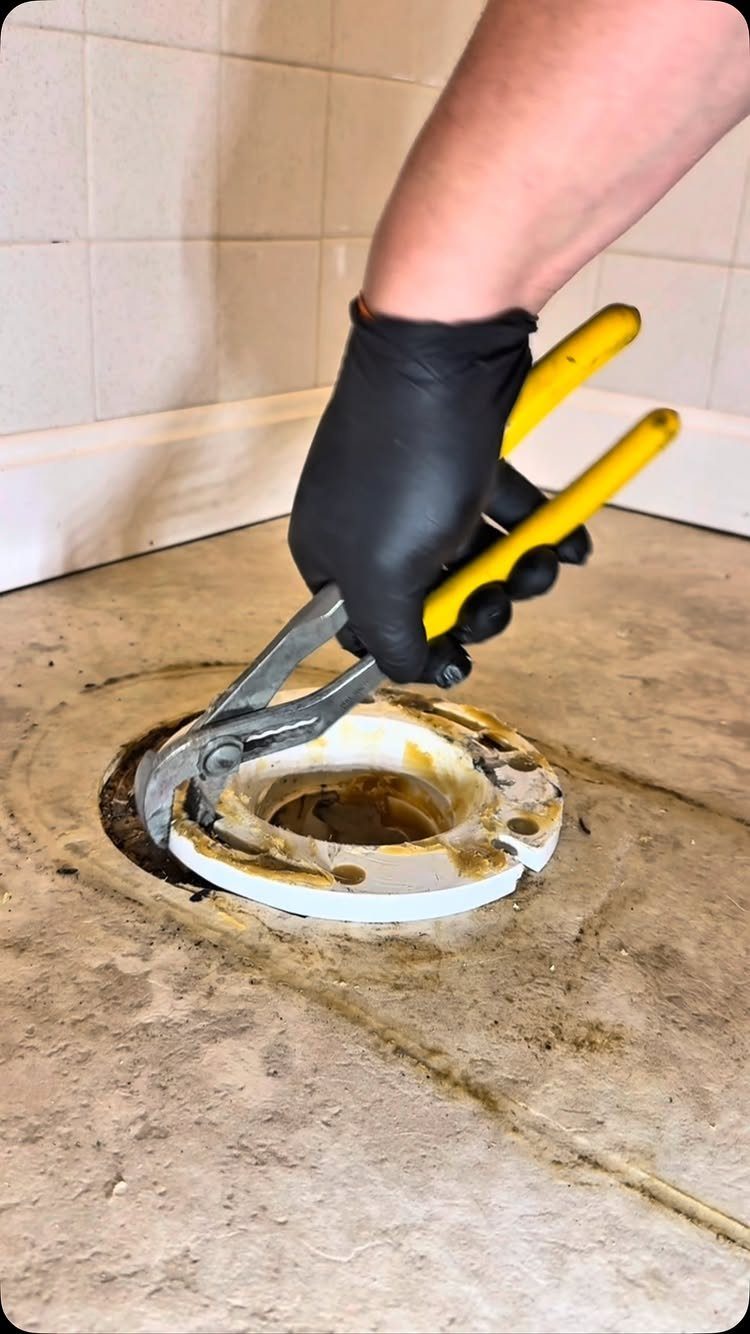
A cracked or broken flange is the ring that holds a toilet to the floor, and pulling the old plastic one out is mostly a prying job.
Pliers with a firm grip let you work the pieces loose, and a glove keeps your hand safe from sharp plastic edges.
Pry slowly, so you don’t chip the tile around the opening. Take out any leftover bits before the new flange goes in, since debris under it will keep it from sitting flat.
Check the floor around the opening as you go. If it feels soft, that is a bigger repair than a flange swap.
Advice on DIY Repairs
Start with the repair that costs the least if it goes wrong. A clogged drain or a loose screw teaches you how a fixture comes apart and goes back together, and that confidence carries into the bigger jobs.
Video tutorials are the fastest way to see a repair before you try it.
I’d watch one or two start to finish before touching a tool, so you know what the finished job looks like and which step is the fiddly one.
A plumber’s visit can be pricey, so small jobs are where doing it yourself pays off first. Each one also adds a skill you keep.
When to Call a Professional
Hire a pro whenever the repair needs a license, or whenever it pushes you past what you feel sure about doing. A botched fix often costs more than the original call would have.
Leave sewer lines to a plumber, and keep your hands out of the live service panel too. Neither is a place to learn by trial and error.
Renters have one more line to watch.
Big changes to the structure or finish of a space, like pulling up a bathroom’s vinyl over a concrete slab and laying carpet, land the full cost on you, and a landlord may not love the result.
Ask for permission first, and let a professional do the work.
Tools for DIY Repairs
A small starter kit covers a surprising share of home repairs: screwdrivers, pliers, and a plunger. Buy them before you need them, because a clogged toilet at 9 p.m. is a poor time to go shopping.
Choose screwdrivers in both Phillips and flathead types, since most fixtures use one or the other. Pliers with a firm grip earn their place in the drawer too.
Add tools one job at a time. Each repair you try will show you what is missing, and that keeps you from buying a pile of gear you never touch.
Frequently Asked Questions
What does “home repair” mean?
Home repair means fixing or maintaining the parts of a house that wear out or break. That covers small jobs like unclogging a drain, tightening a loose cabinet hinge, swapping a kitchen faucet, or sealing drafty windows with weatherstripping.
What can you repair at home?
Plenty of plumbing and fixture jobs are fair game for a DIYer: clearing a clogged toilet or shower drain, tightening pipe fittings, replacing a kitchen faucet, and swapping a broken toilet flange.
Sealing window drafts and adjusting cabinet hinges are easy too. Other common picks are patching holes in walls, installing a smoke or carbon monoxide detector, and setting a water heater’s temperature.
Which home repairs should be left to a professional?
Leave any repair that requires a license, or that goes beyond what you feel sure about doing. Leave sewer line work and anything inside the live service panel to a licensed pro; those two carry the highest risk.
What repairs should renters avoid?
Skip anything that changes the structure or finish of the unit for good, like laying carpet over a bathroom’s vinyl floor on a concrete slab. You would take on the whole expense, and a landlord may not like the result.
What tools do I need for basic home repairs?
A small kit of screwdrivers, pliers, and a plunger covers a surprising share of jobs.
Buy both Phillips and flathead screwdrivers, because nearly every fixture in a house takes one or the other. After that, add tools one job at a time so you only buy what a repair shows you are missing.
How can I unclog a shower drain without chemicals?
A wet-dry vac set to suction can draw the clog right up the drain.