Where a 2×4 project ends up decides how it should be built: indoors, you can leave it raw or stain it, while outdoors it needs sealer or exterior stain, because wood left in weather and wet soil rots.
The list runs from a Giant Jenga set that is nothing more than a pile of boards cut to one identical length, to a garden arbor with a curved top and a rustic dining table built from many boards side by side.
A saw, a drill and a box of screws cover every build here, which leaves one real decision: where the piece will live. A porch bench and a hallway shelf want different finishes, so let the spot choose for you.
1. Storage Shelves
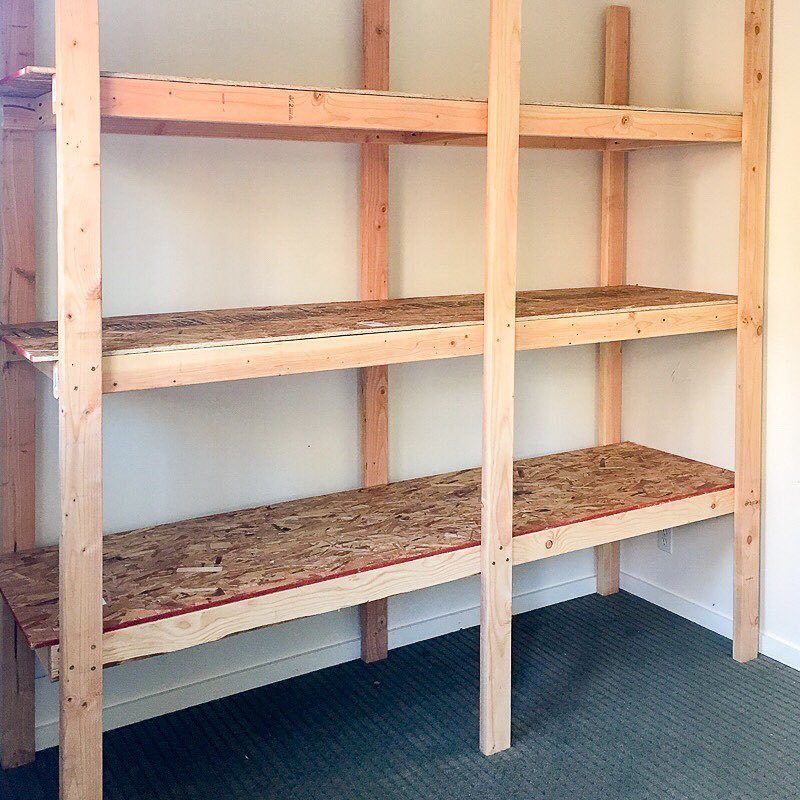
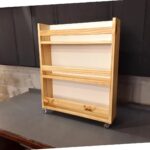
Three tiers of 2×4 frame and OSB panels make a shelf unit that costs little and needs only a saw, a drill and screws, so one session in the shop covers it.
Keep every tier the same depth so boxes and bins slide in without catching.
Pre-drill the screw holes near the ends of each 2×4 so the wood doesn’t split. Pocket holes would hide the hardware, but plain screws are faster and look fine in a garage or closet.
Leave it raw for storage, or sand the OSB edges first so they don’t snag.
2. Rustic Table
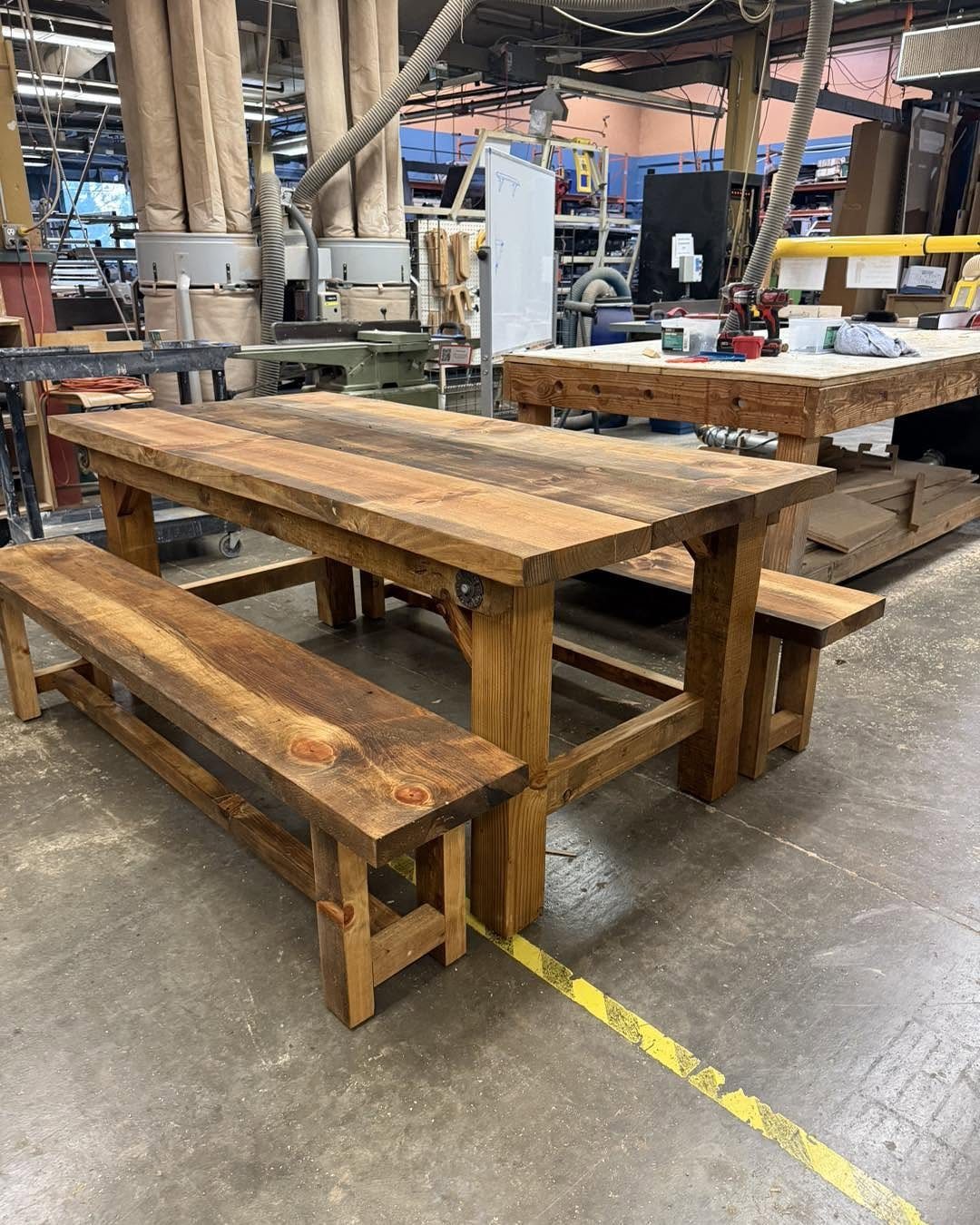
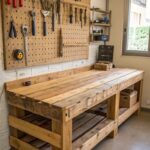
Heavy, chunky, and built for elbows on the table: a 2×4 dining set with matching benches is one of the best uses of cheap lumber.
Plan on a good stack of boards, since the top is made of many 2x4s side by side.
Sand the faces and ease every edge before assembly, because a dining top gets touched constantly. I would build the benches first as practice; they use the same joinery on a smaller scale.
A stain and a few coats of finish give it the rustic look.
3. Planter Box
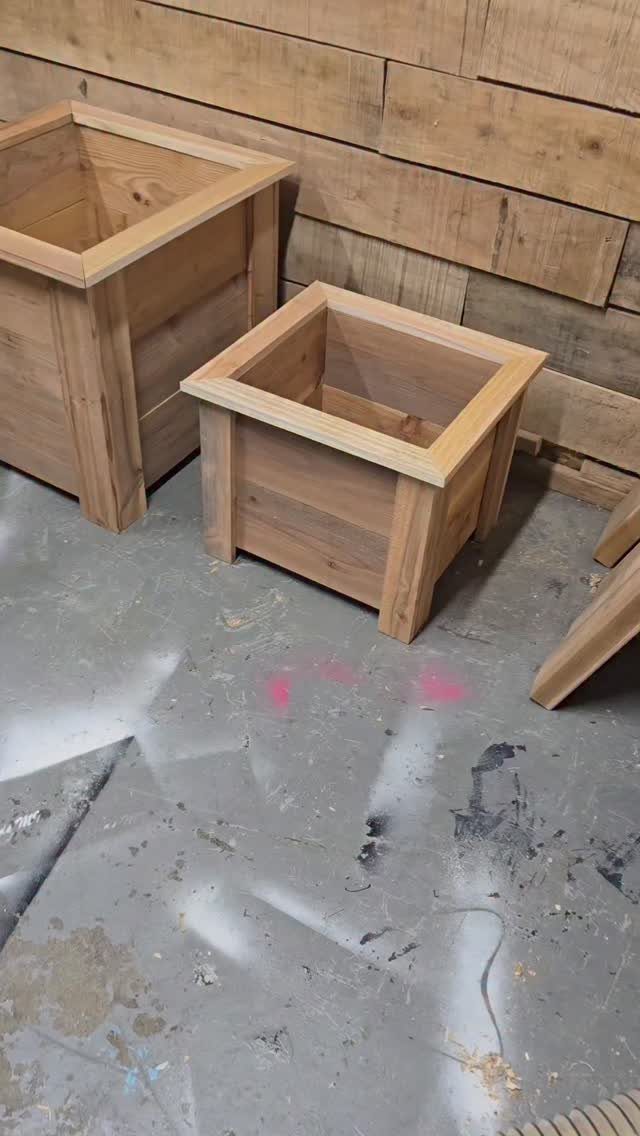
Square boxes in two sizes let you plant herbs in the small one and something bushier in the big one. Cut 2x4s into matching sides, screw the corners together, and add slats across the bottom.
Leave gaps between the bottom slats, or drill holes, so water can drain. Soggy soil rots wood from the inside.
Landscape fabric lining the inside keeps the soil from washing out through the gaps between boards. Left unfinished, the boxes weather to a softer look, though a sealer will stretch their life outdoors.
4. Step Stool
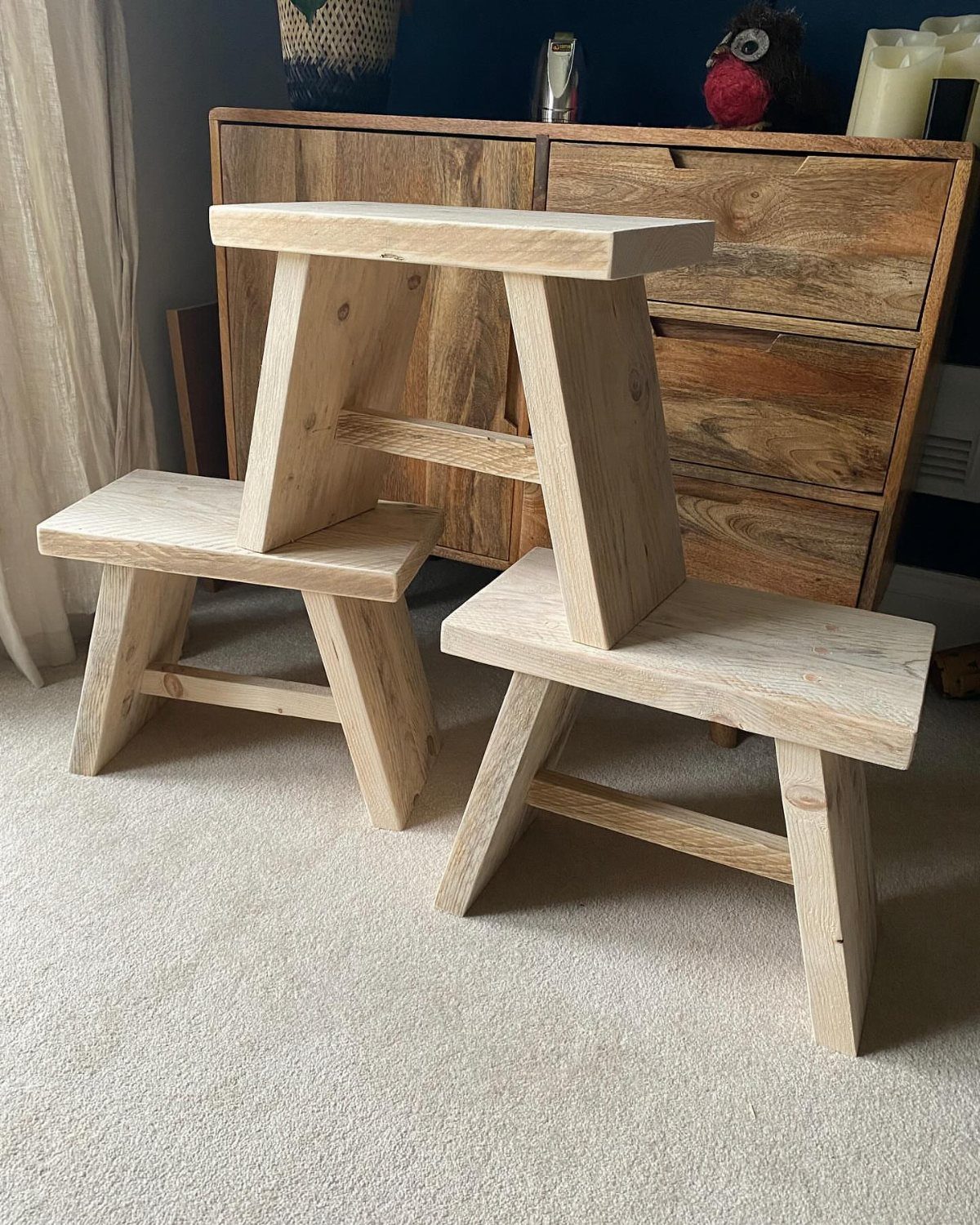
Short on counter space and tall on cabinets?
A 2×4 step stool solves that for the price of a couple of boards. Cut the legs and steps from the same stock so the whole thing is simple to measure and repeat.
Glue plus screws gives a joint that resists wobble, and sanding the top step smooth keeps splinters off bare feet.
Build two step stools at once, since the saw stop and cut list are already set and the second one goes together faster.
5. Dog Crate Table Topper
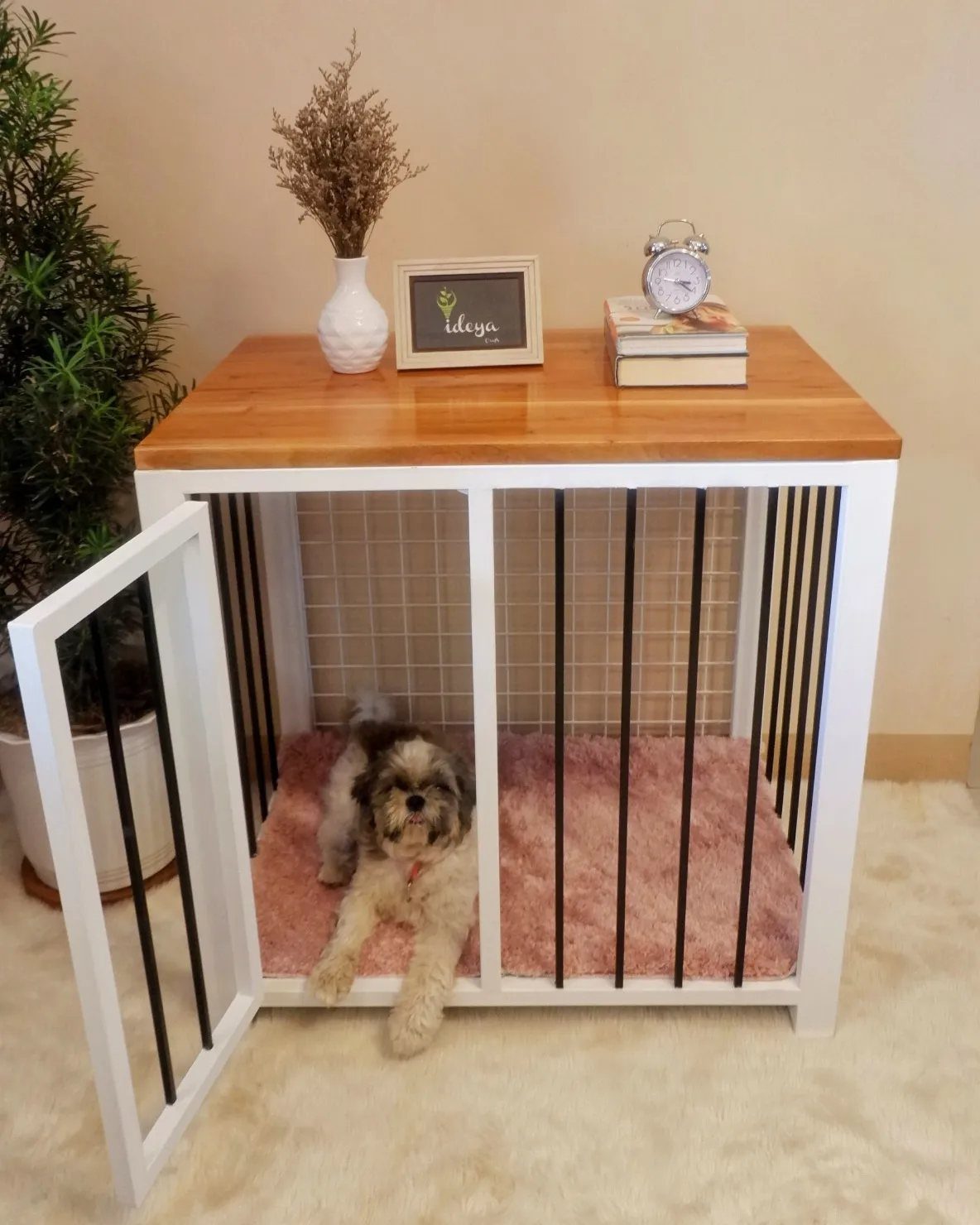
Dog crates take up floor space and look like it, so a wooden top turns one into a surface for a lamp, plants, or books.
Measure the crate’s top before you buy a single board, and cut the 2x4s or boards to fit with a small overhang.
Check that the crate’s top is flat and sturdy, then screw cleats underneath so the topper can’t slide. A coat of paint or stain matched to your room makes it look like furniture, not a cover.
6. Garden Arbor
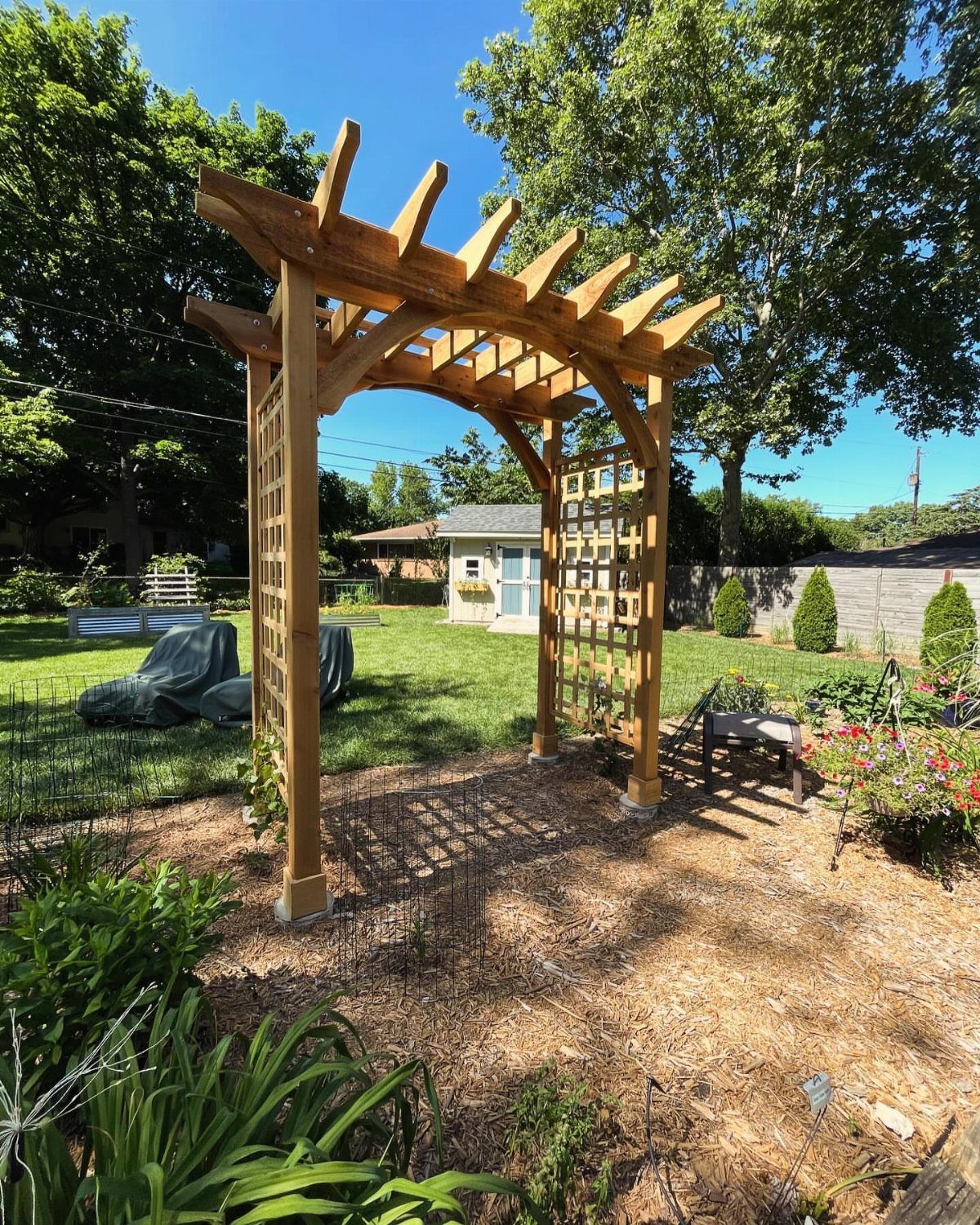
A curved top is the hard part of an arbor, and I would still choose it over a flat one for how it frames a garden path.
Cut the arch from wider boards or stack and trim 2×4 pieces to a template, then sand the curve smooth.
Lattice sides give climbing plants something to grip. Set the posts firmly into the ground, since a plant-covered arbor catches wind like a sail.
Exterior stain or sealer is worth the extra step on outdoor wood.
7. Giant Jenga Game
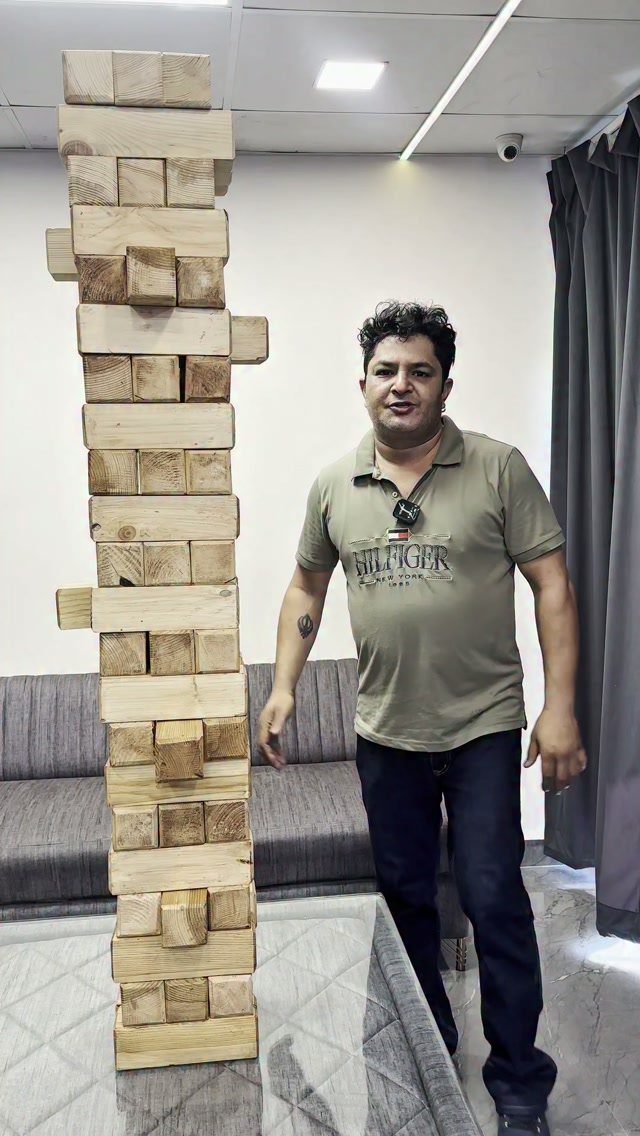
Giant Jenga is about as simple as 2×4 projects get: cut a pile of boards to one identical length and stack them.
Every block has to match, so set a stop block on the saw and cut them all at that setting.
Sand the ends and edges so nobody gets a splinter pulling a block mid-game. A Jenga tower built from 2x4s stands taller than most players, so it works as a living room game as well as a yard one.
Leave the blocks unfinished for the smoothest slide, since stain and sealer add just enough tack to catch.
8. Nesting Plant Stands
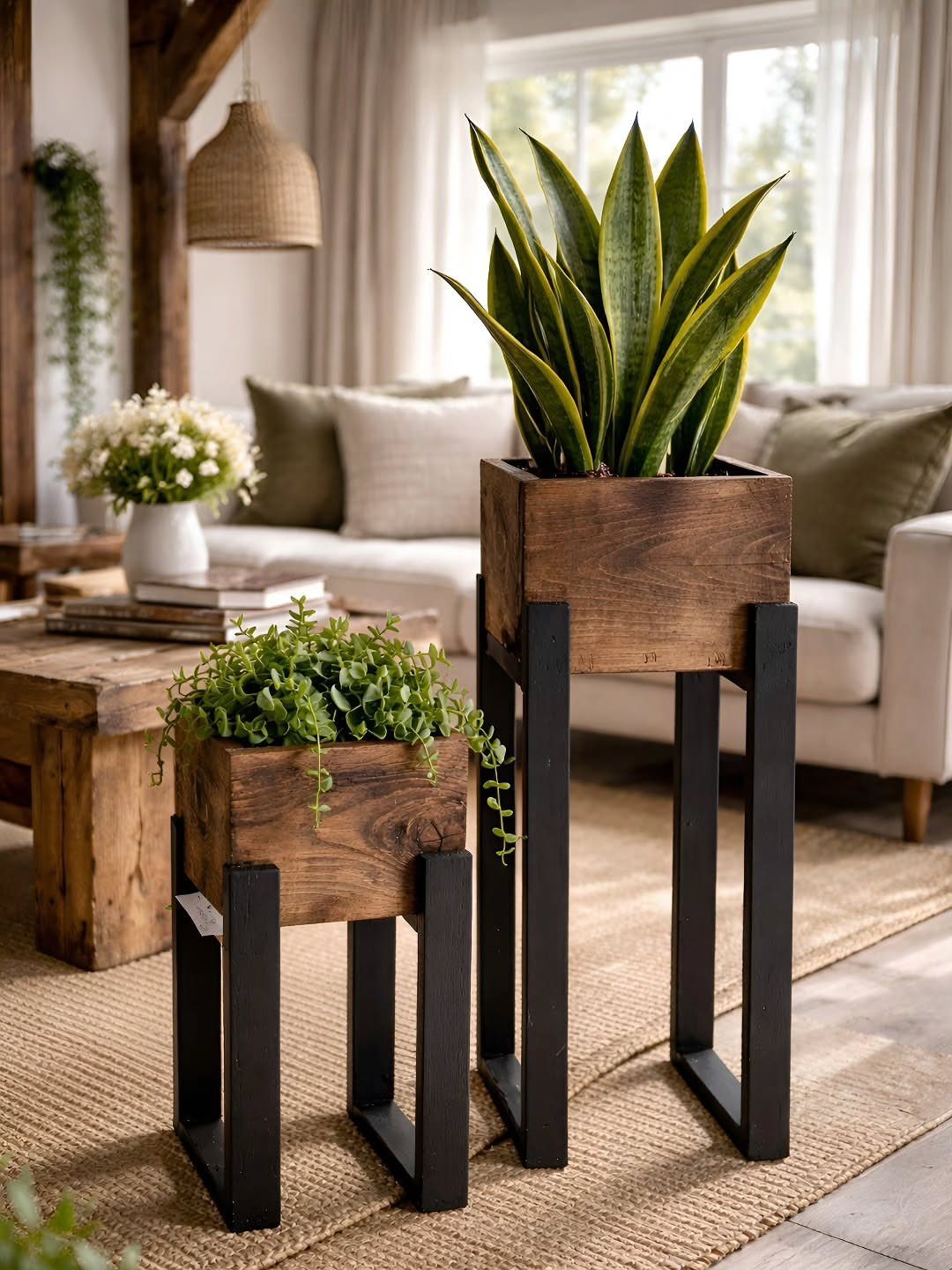
Two boxes at different heights, set side by side, let a small plant sit low and a leafy one stand tall.
Wooden planters on black metal legs look like store-bought furniture, and the wood can be made from 2x4s you already have.
Make the boxes slightly different sizes so they nest or tuck close together. Check that each box can hold a potted plant without sagging, and set a plastic liner or saucer inside to keep water off the wood.
A coat of sealer helps indoors too.
9. Rustic Lantern
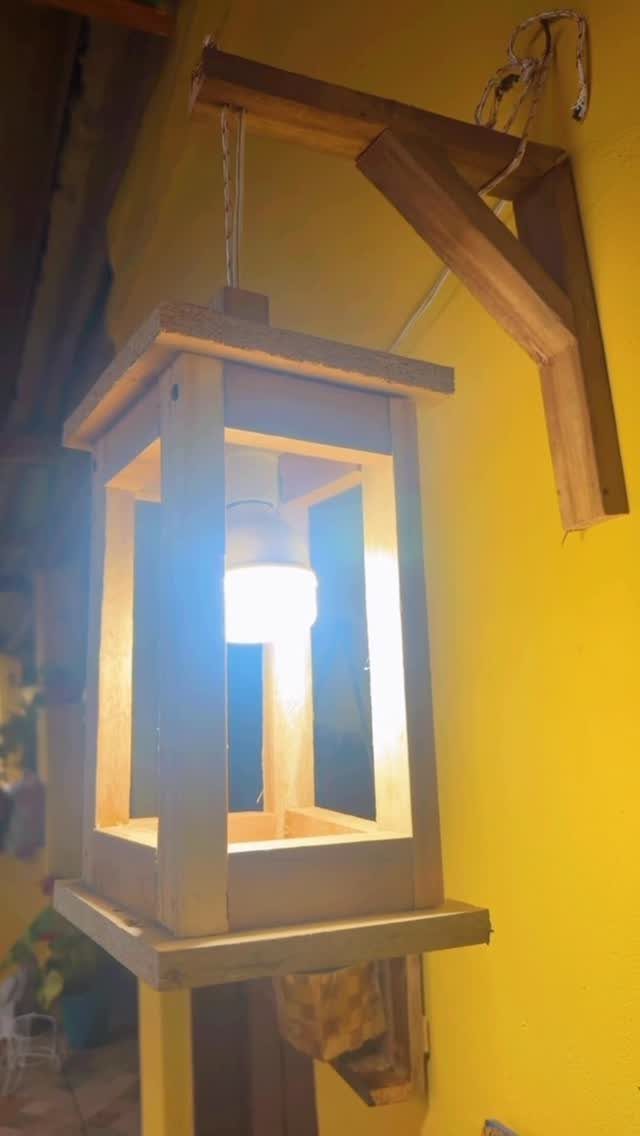
A lantern made from 2×4 offcuts is a small project that rewards you with warm light: a wooden frame around a single bulb, hung from a wall bracket.
Cut the frame pieces to matching lengths and screw or glue them together so the box hangs square.
Choose a bulb that stays cool, since wood and heat are a poor mix. A warm-toned bulb suits the rustic look best.
Sand the edges and add a coat of stain if you want the grain to stand out against the wall.
Tips for 2×4 Woodworking
Warp decides whether a 2×4 project goes together square or fights you at every joint. Sight down each board like a rifle barrel before it goes in the cart, and put back anything that bows, twists, or cups.
Knots are the next thing to check.
A knot near the middle of a board can weaken it, and a loose one may fall out. Look at the ends too, since splintered ends mean cutting off extra length.
For straighter 2x4s, I’d skip the big box aisle and head to a local lumberyard, which costs an extra trip but gets you better stock.
Basic tools cover most of this work: a drill and a saw. Buy good lumber first and the tools you already own will do the rest.
Planning and Measuring
Work out every cut on paper before you buy anything. Then match your cuts to the board lengths sold, so you are left with the least scrap.
Here is a quick example.
Four 5′ pieces come out of two 10′ boards with nothing left over. Buy four 8′ boards instead and each one leaves 3′ of waste.
Some lumberyards charge by the foot no matter how the wood is cut, so a smart cut plan pays off directly. Check how your supplier prices before you finalize the list.
Write the cut list down and carry it into the store. It keeps you from guessing at the lumber rack.
Using Scrap Wood
Offcuts from a big build are free material, so keep them instead of tossing them. A pile of leftover 2×4 pieces is the best starting point for small projects, and many of them take about an hour.
Sort the scraps by length before you pick a project. Short pieces suit planters and games, and the longer ones can wait for something that needs span.
Planning your main purchase well still matters. Scrap is a nice bonus, but buying extra boards just to create it costs more than buying what the project needs.
Check each piece for splits and loose knots before you cut it. A cracked offcut will fail in a small project just as it would in a large one.
Frequently Asked Questions
What wood is a common 2×4?
Most 2x4s are pine, whitewood, or fir. They are sold as framing lumber, so check each board for warp and loose knots before buying.
What should I build with wood?
Start with something that matches the tools you already own. With a drill and a saw, you can build storage shelves, a step stool, a planter box, or a garden arbor from 2x4s.
Pick a small project first if you are new, such as a step stool or a lantern, since both come together in a short session.