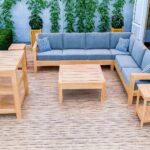
Where the bench lives decides which one to build: a one-car garage or shared basement calls for a compact bench, a yard with no shop at all suits the sawhorse-supported frame, and a bench that never moves can put its effort into dedicated tool storage or an integrated parts organizer.
All of them can be built in an afternoon with basic tools and 2x4s from any home center.
1. Budget-Friendly Workbench
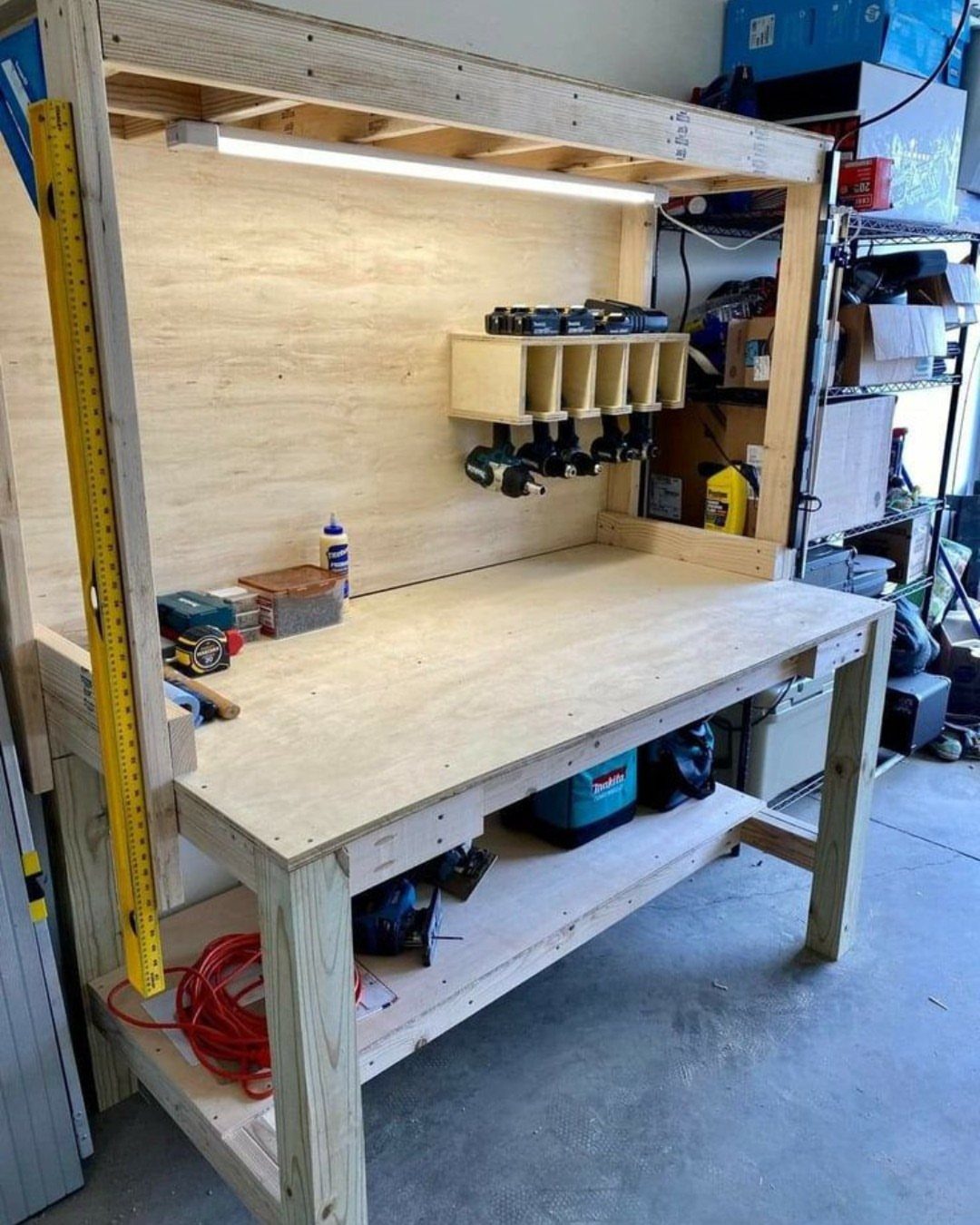
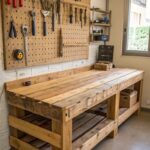
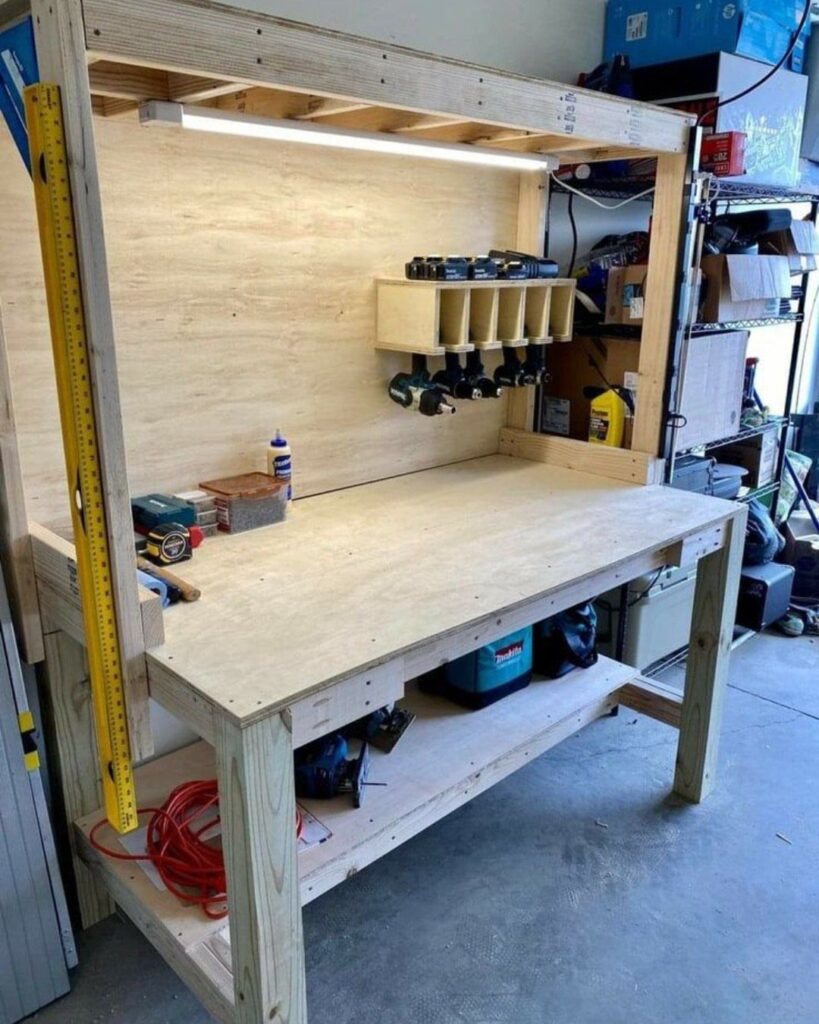
Plywood does most of the work on a beginner bench like this one. A plywood top and backboard cost far less than a hardwood slab, and the backboard keeps screws and small parts from sliding off the rear edge.
A shelf holds a toolbox or clamps off the floor, and a rack frees the benchtop for the actual work.
Plywood dents more easily than hardwood, so plan on replacing the top someday. That’s cheap to do.
2. Mobile Workbench on Casters
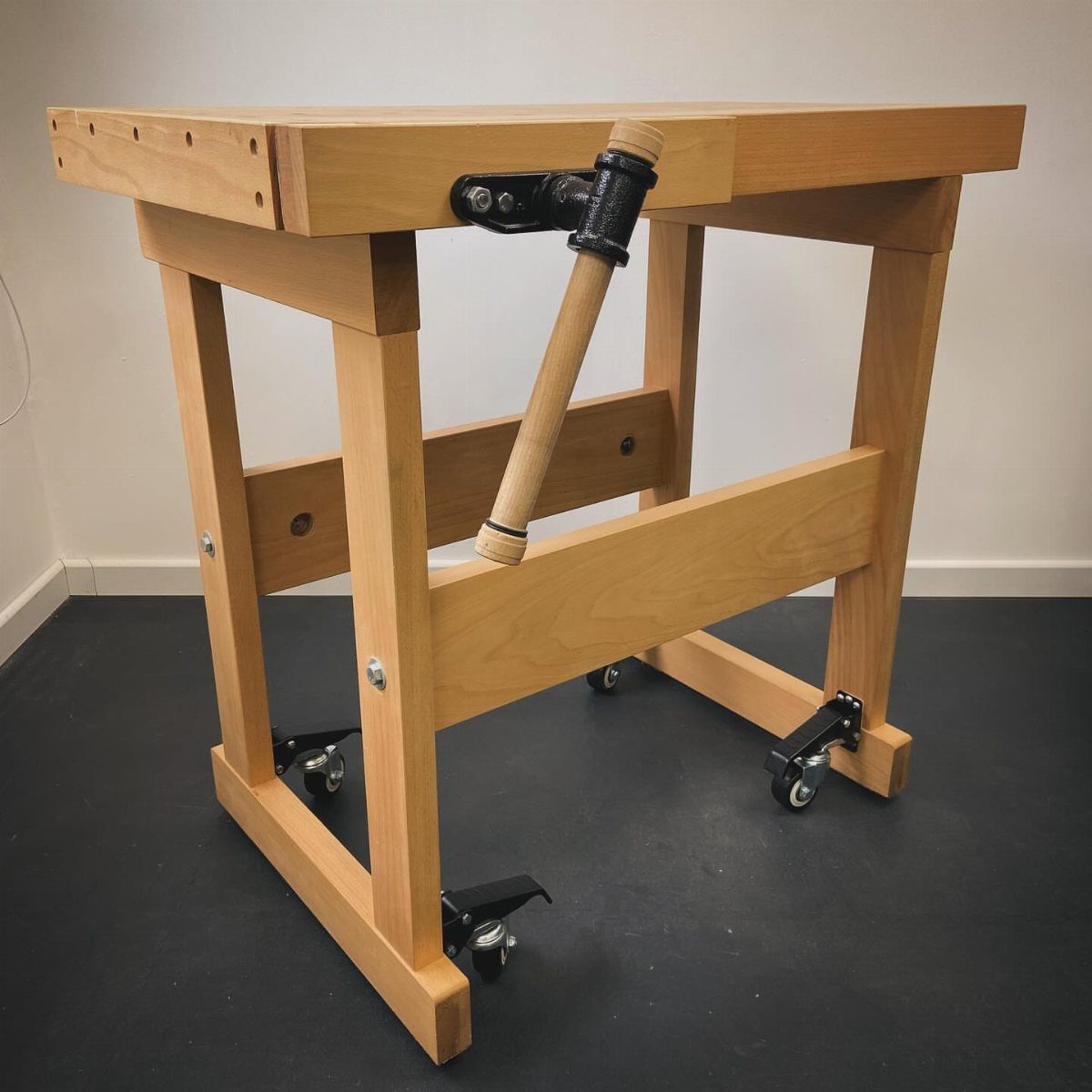
A leg vice and four casters let a small bench do two jobs: hold work firmly and roll out of the way when the project ends. In a one-car garage or a shared basement, that matters more than extra benchtop.
Locking casters are what I’d choose, since a bench that creeps while you plane defeats the purpose. Mount them solidly into the legs or a base frame.
Wheels do raise the bench height a bit, so account for that when you size the legs.
The bench was stable and solid for a variety of tasks, and the vises and dogs are well-suited for work-holding. At 33 in., the top is at a good height for hand-planing but may be a bit low for general use if you are tall.
3. Workbench with Dedicated Tool Storage
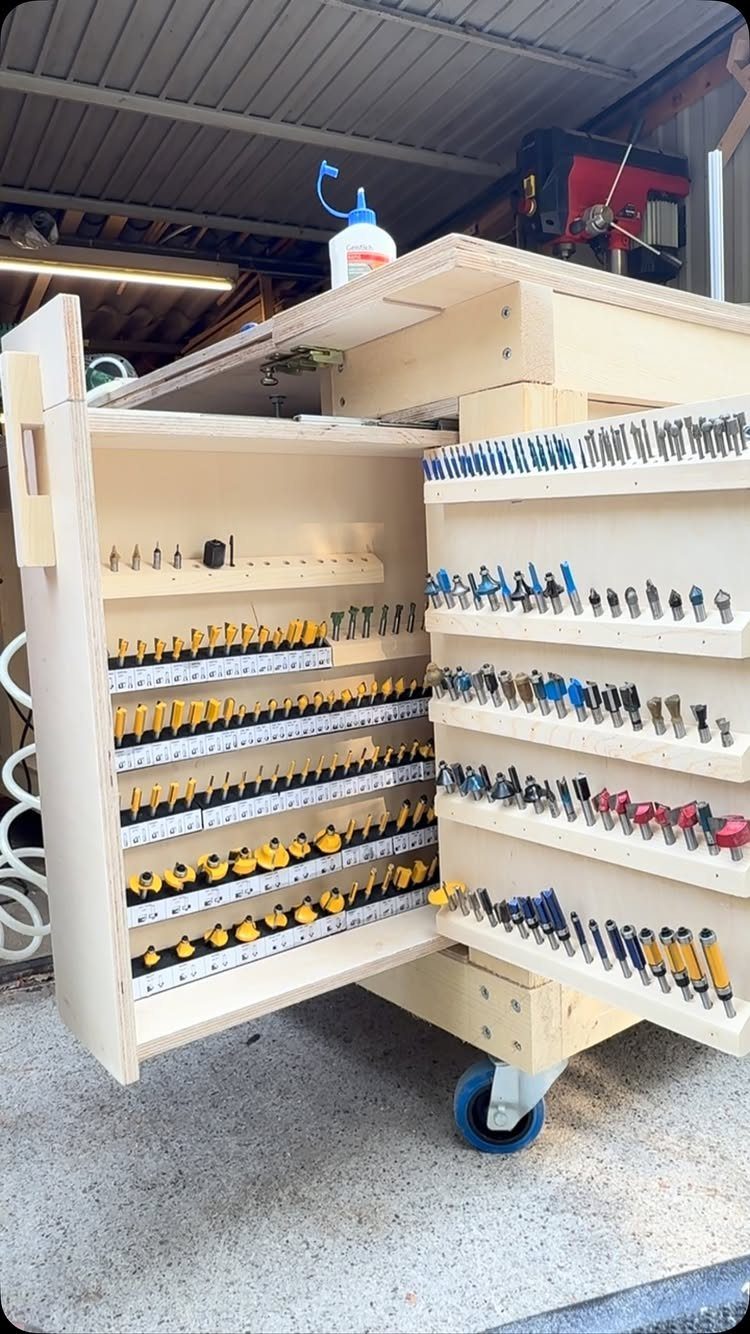
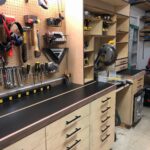
Open storage under the top keeps the tools you reach for most in plain sight. Rows of bits or small hand tools sitting in a cabinet beneath the work surface mean no digging through bins.
Open compartments are faster than drawers, though they collect sawdust. Drawers stay cleaner but cost more time to build.
Size each compartment around the tools it will hold, and sketch the layout before cutting anything. Casters keep the whole unit easy to move.
4. Bench with Integrated Parts Organizer
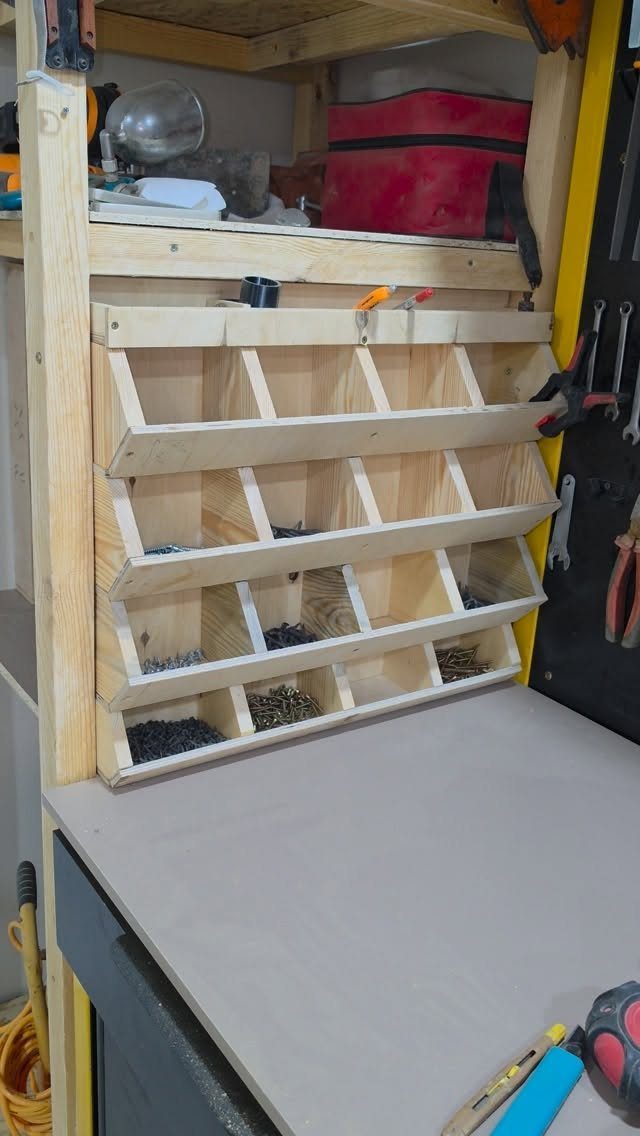
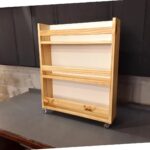
Tiered bins built into the surface put screws, nails and other fasteners right at hand, so there’s no walking to a shelf mid-assembly. For a small bench, that saves the space a separate parts cabinet would take.
Sort by size and type, and keep the bins shallow enough that you can see what’s inside. Stepped tiers let you read every compartment at a glance.
A smaller flat work area is the cost, so keep the bins along one edge and leave the rest of the top clear.
5. Sawhorse-Supported Bench Frame
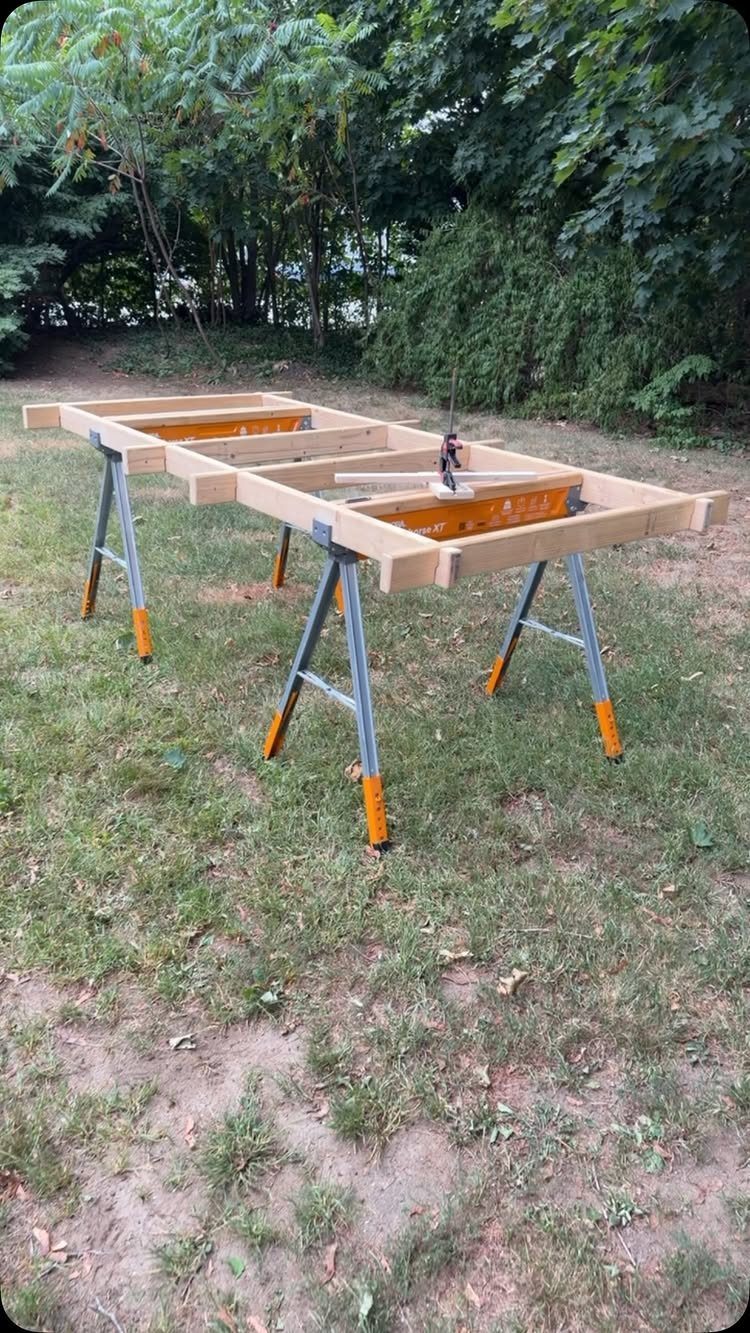
Folding sawhorses turn a light wooden bench frame into a setup you can carry outside and put away in minutes. For anyone without a dedicated shop, that is the cheapest way to get a raised work surface.
Build the frame light enough to lift easily, and make sure it seats firmly on the sawhorse tops. Clamping or strapping it down keeps it from shifting.
A frame this light won’t be as steady as a heavy bench, so save the hardest planing for something else.
Building Tips for Beginners
A small bench is a forgiving first build. It takes limited tools and basic skills, and you can finish it in a few hours, so an afternoon in the garage is enough.
Cut all your parts before you drive a single screw. Label each piece with a pencil so you aren’t guessing which board is a leg and which is a rail.
Check for square at every joint while the screws are still easy to back out. A bench that rocks or racks gets worse with use, and fixing it later means taking it apart.
Wear safety glasses and hearing protection for every cut, and clamp the work down before sawing or drilling.
Materials Recommendations
Plywood, MDF and construction lumber cover most small benches, and each has a clear job.
Construction lumber, the common 2x4s from any home center, makes the frame and legs. It is cheap, stiff and easy to find.
Plywood suits the top and any shelf. It stays flatter than a glued-up board and holds screws well along its face.
MDF is smooth and inexpensive, but it soaks up water and its edges crumble under hard knocks. I’d use it only for a top that stays dry, and I’d seal it first.
Your budget and the look you want settle the rest. Sand and finish the top for a cleaner surface, or paint the frame to match your space.
Cost Comparison
Building usually costs less than buying.
Lumber, screws and four casters for a rolling small bench added up to about $135 in March 2025, and the casters were a real share of that total. Comparable store-bought benches started at $200 and up, and the cheapest ones had no casters.
If price is the only concern, a plain design goes lower. A 30-inch-deep, 6-foot-long bench built from fifteen 8-foot 2x4s and one sheet of 1/2-inch plywood is a lumberyard-basics build that stays on the budget end of the list.
Lumber prices change with location and season, so check your local store before you set a budget.
Building also lets you size the bench to your space and add features a store model won’t have.
Frequently Asked Questions
What is the best work bench for small spaces?
A mobile bench on locking casters is my pick. Casters add a couple of inches to the finished height, so cut the legs shorter to make up for it.
What can I use instead of a work bench?
A sturdy table or countertop works for light jobs. If you want a real raised surface without a dedicated shop, a light wooden bench frame set on folding sawhorses is the cheapest option.
Clamp or strap it down so it can’t shift, and save heavy planing for a heavier bench.
How to make a cheap work bench?
Build it from construction lumber and plywood. The 2x4s are cheap and stiff for the frame, and the plywood gives a flat top that holds screws well.